The CAFAS, a crucial tool for clinical decisions, is readily available as a CAFAS assessment PDF form for editing and download.
What is the CAFAS?
The Child and Adolescent Functional Assessment Scale (CAFAS) is a clinician-administered, multidimensional assessment designed to evaluate the level of functional impairment experienced by children and adolescents. Frequently accessed as a CAFAS assessment PDF, it’s utilized to gauge day-to-day functioning.
This scale, developed in 1989, is quickly completed – approximately 10 minutes – based on information gathered during a standard clinical assessment. The CAFAS assessment PDF facilitates easy access and completion, supporting informed treatment planning and service eligibility determinations. It’s considered a gold standard tool in the field.
The Importance of Functional Assessment
Functional assessment, particularly utilizing tools like the CAFAS assessment PDF, is paramount in mental and behavioral healthcare. It allows clinicians to move beyond diagnoses and understand how a youth’s challenges impact their daily life.
The CAFAS assessment PDF provides a structured way to assess impairment, informing treatment planning and ensuring services are appropriately targeted. Accurate functional assessment, facilitated by readily available forms, is crucial for making informed clinical decisions regarding treatment needs and service eligibility, ultimately improving outcomes.
History and Development of the CAFAS (1989)
Developed in 1989, the Child and Adolescent Functional Assessment Scale – often accessed as a CAFAS assessment PDF – arose from a need for a standardized, comprehensive measure of youth functioning.
Its creation aimed to provide clinicians with a reliable tool to assess day-to-day impairments. The CAFAS assessment PDF format has evolved alongside clinical practice, becoming a widely recognized “gold standard” for evaluating functional levels across kindergarten through high school, and continues to be refined for optimal use.
Understanding the CAFAS Structure
CAFAS, often utilized as a downloadable CAFAS assessment PDF, is a multidimensional scale designed to thoroughly assess a youth’s functional impairment.
CAFAS Domains of Assessment
The CAFAS comprehensively evaluates a child or adolescent’s functioning across several key domains, readily accessible when utilizing a CAFAS assessment PDF. These domains include thinking, emotion, and behavior – crucial aspects of daily life. Further assessment focuses on social functioning, examining peer and family relationships.
Additionally, the CAFAS assesses school/work performance, highlighting academic or vocational challenges. A vital component is the evaluation of self-harm and substance use, addressing critical safety concerns. Finally, it considers daily living skills, providing a holistic view of the individual’s overall functional level. This detailed structure, found within the CAFAS assessment PDF, ensures a thorough evaluation.
Scoring System Overview
The CAFAS utilizes a numerical scoring system, easily applied when working with a CAFAS assessment PDF. Each item is rated on a scale, typically from 0 to 3, reflecting the level of impairment. A score of 0 indicates no impairment, while 3 signifies severe impairment.
These individual item scores are then summed to generate subscale scores for each domain. Total scores provide an overall measure of functional impairment. Utilizing the CAFAS assessment PDF and accompanying manual, clinicians can interpret these scores to understand the youth’s strengths and needs, guiding treatment planning.
Age Range and Applicability (Kindergarten ― High School)
The CAFAS is designed for comprehensive assessment of children and adolescents, spanning from full-time Kindergarten through High School graduation. This broad applicability makes the CAFAS assessment PDF a versatile tool across various educational and clinical settings.
Its utility extends to evaluating youth facing diverse challenges, providing valuable insights into their functional strengths and areas needing support. Accessing the CAFAS assessment PDF allows clinicians to tailor assessments to individual developmental stages, ensuring relevant and accurate evaluations.

Completing the CAFAS Assessment
The CAFAS assessment PDF, alongside the manual and scoring forms, facilitates a quick, ten-minute assessment based on typical clinical information gathering.
Required Materials (Form, Manual, Scoring Forms)
Successfully administering the CAFAS necessitates specific materials, readily accessible as a CAFAS assessment PDF. Primarily, you’ll require the CAFAS Paper Assessment Form itself, available for download and editing. Crucially, the CAFAS Self-Training Manual is essential for understanding proper administration and interpretation.
Furthermore, blank Scoring Forms are vital for accurately recording and analyzing responses during the assessment process. These forms, often found accompanying the CAFAS assessment PDF package, ensure standardized scoring. Having all three components – form, manual, and scoring sheets – guarantees a comprehensive and reliable evaluation of a child or adolescent’s functional level.
Information Gathering for Accurate Assessment
Achieving an accurate CAFAS assessment hinges on thorough information gathering, even before accessing the CAFAS assessment PDF. The assessment is completed based on data collected during a typical clinical evaluation, meaning pre-existing reports and interviews are key.
Clinicians should synthesize information from multiple sources – parents, teachers, and the youth themselves – to gain a holistic view of day-to-day functioning. Utilizing a completed CAFAS assessment PDF then becomes a focused summarization of this broader clinical picture, ensuring a reliable and valid representation of the individual’s needs.
Time Required for Completion (Approximately 10 Minutes)
Efficiency is a hallmark of the CAFAS; a trained assessor can typically complete the assessment in roughly 10 minutes. This swift completion relies on having readily available information gathered during a standard clinical assessment, and utilizing a prepared CAFAS assessment PDF streamlines the process.
However, this timeframe doesn’t include the initial information gathering phase. The quick completion focuses on translating existing clinical knowledge onto the CAFAS assessment PDF, making it a valuable tool for busy practitioners.

CAFAS and Clinical Decision-Making
The CAFAS, often accessed as a CAFAS assessment PDF, is vital for informed clinical choices regarding treatment needs and determining service eligibility.
Using CAFAS for Treatment Planning
Utilizing the CAFAS, frequently obtained as a downloadable CAFAS assessment PDF, provides clinicians with a comprehensive understanding of a youth’s functional strengths and weaknesses. This detailed insight directly informs the development of individualized treatment plans.
The scale’s multidimensional assessment capabilities pinpoint specific areas needing intervention, allowing for targeted therapeutic approaches. By identifying impairment levels across various domains, clinicians can prioritize goals and select appropriate interventions.
Accessing the CAFAS as a PDF streamlines the process of integrating assessment data into treatment documentation and facilitates collaborative planning with families and other service providers.
Determining Service Eligibility with CAFAS
The CAFAS, often accessed as a convenient CAFAS assessment PDF, serves as a vital instrument in establishing a youth’s eligibility for various mental health services. Its standardized scoring system provides objective data regarding functional impairment, crucial for meeting service criteria.
Clinicians leverage CAFAS scores to demonstrate the necessity of interventions, justifying service allocation based on identified needs. The assessment’s comprehensive nature ensures a thorough evaluation of functioning, supporting informed eligibility decisions.
Utilizing the PDF format simplifies documentation and facilitates communication with funding sources and regulatory bodies regarding service authorization.
CAFAS as a Gold Standard Tool
The CAFAS has earned recognition as the “gold standard” for assessing day-to-day functioning in children and adolescents, frequently utilized as a downloadable CAFAS assessment PDF. This distinction stems from its reliability and validity in measuring functional impairment across multiple domains.
Its widespread acceptance within the field ensures consistent evaluation practices and facilitates comparisons across cases. The PDF accessibility streamlines administration and scoring, contributing to its practical application.
Clinicians rely on CAFAS results to inform treatment planning and monitor progress, solidifying its position as a benchmark assessment.
The CAFAS in Practice
The CAFAS is a clinician-administered, multidimensional scale, quickly completed – around 10 minutes – utilizing information gathered, often from a CAFAS assessment PDF.
Clinician-Administered Nature of the Assessment
The CAFAS distinguishes itself as a tool requiring direct administration by a trained clinician, ensuring nuanced interpretation of responses. Unlike self-report measures, this approach allows for clarification and contextual understanding.
Information utilized during a typical clinical assessment informs the completion of the CAFAS assessment PDF. This isn’t a self-filled questionnaire; rather, the clinician synthesizes data from interviews, observations, and records.
This professional oversight is vital for accurate scoring and reliable insights into a youth’s functional strengths and challenges, ultimately supporting informed treatment planning.
Multidimensional Assessment Capabilities
The CAFAS isn’t a one-dimensional snapshot; it’s a comprehensive evaluation tool. It assesses a child or adolescent’s functioning across multiple critical life domains, providing a holistic view of their needs.
Completing the CAFAS assessment PDF requires clinicians to consider behavioral, emotional, social, and school-related functioning. This multidimensional approach allows for identification of interconnected challenges.
This detailed assessment informs targeted interventions and supports, moving beyond surface-level observations to reveal the complexities of a youth’s daily life.
Assessing Day-to-Day Functioning
The CAFAS excels at evaluating a youth’s real-world capabilities, focusing on how challenges impact their everyday life. Utilizing a CAFAS assessment PDF, clinicians gain insight into practical difficulties experienced at home, school, and within the community.
Unlike assessments focused solely on clinical symptoms, the CAFAS prioritizes observable impairments in functioning. This focus is vital for understanding the true extent of a child’s needs.
It’s considered the “gold standard” for this specific type of evaluation, offering a clear picture of functional strengths and weaknesses.

CAFAS as an Outcome Measure
The CAFAS, often accessed as a CAFAS assessment PDF, effectively tracks changes in a youth’s functioning over time within clinical settings.
Tracking Changes in Functioning Over Time
Utilizing the CAFAS as an outcome measure allows clinicians to meticulously monitor a child or adolescent’s progress throughout treatment. The CAFAS assessment PDF facilitates repeated administrations, enabling a clear comparison of scores at different points in time.
This longitudinal data provides valuable insights into the effectiveness of interventions and helps tailor treatment plans to individual needs. By documenting changes in functional impairment, the CAFAS supports data-driven decision-making and demonstrates accountability in clinical practice. Accessing and completing the CAFAS assessment PDF streamlines this process, ensuring consistent and reliable data collection for tracking progress.
CAFAS in Clinical Settings
The CAFAS is widely implemented across diverse clinical environments, serving as a standardized method for evaluating youth functioning. Conveniently, the CAFAS assessment PDF is readily accessible for use in various settings, from outpatient clinics to residential treatment facilities.
Its quick completion time – approximately 10 minutes – makes it practical for busy clinicians. Utilizing the CAFAS assessment PDF ensures consistent data collection, supporting informed treatment planning and service eligibility determinations. The tool’s reliability and validity make it a valuable asset in providing comprehensive, evidence-based care.
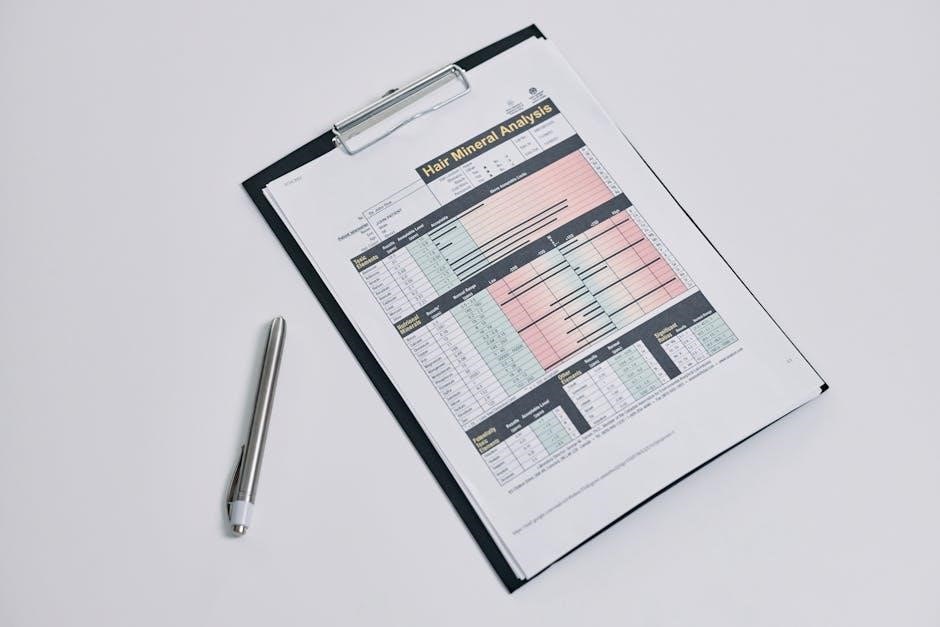
Digital CAFAS Resources
CAFAS assessment PDF questionnaires are accessible online, and platforms like pdfFiller facilitate easy editing, signing, and printing of these essential forms.
Accessing CAFAS Questionnaires Online
Accessing the Child and Adolescent Functional Assessment Scale (CAFAS) questionnaires online streamlines the assessment process for clinicians. Numerous resources provide the CAFAS assessment PDF form, enabling quick download and utilization. Platforms dedicated to form management, such as pdfFiller, offer direct access to these documents.
These online resources simplify the traditionally paper-based process, allowing for efficient distribution and collection of data. Clinicians can readily obtain the necessary forms, reducing administrative burdens and accelerating the evaluation of a youth’s functional impairment. The digital availability ensures accessibility and promotes timely assessments.
Using pdfFiller for CAFAS Forms
pdfFiller emerges as a powerful tool for managing the CAFAS assessment PDF. This online platform allows clinicians to edit, sign, and instantly share completed CAFAS forms. Its user-friendly interface simplifies the process of filling out the approximately 40-page document, reducing manual effort and potential errors.
pdfFiller’s capabilities extend beyond simple form completion; it facilitates secure storage and easy retrieval of assessment data. Clinicians can access forms from any device – PC, iPad, or mobile – enhancing flexibility and promoting efficient workflow. Try Now to experience streamlined CAFAS administration!
Editing and Filling CAFAS Assessment PDFs
Successfully utilizing the CAFAS assessment PDF requires efficient editing and filling capabilities. Platforms like pdfFiller offer solutions for digitally completing the roughly 40-page form. This eliminates the need for manual handwriting, improving legibility and streamlining the assessment process.
Clinicians can easily input data, add signatures, and ensure all required fields are accurately populated. Digital completion also facilitates easy storage, sharing, and integration with electronic health records, enhancing overall clinical workflow and data management.

Comparing CAFAS with PECFAS
CAFAS (Child and Adolescent Functional Assessment Scale) and PECFAS are related assessments, both valuable tools often available as downloadable assessment PDFs.
Similarities Between CAFAS and PECFAS
Both the Child and Adolescent Functional Assessment Scale (CAFAS) and its parallel, the PECFAS, share a foundational purpose: to comprehensively evaluate the functional strengths and impairments exhibited by children and adolescents. Frequently accessed as convenient assessment PDFs, these tools are designed for clinician administration, relying on gathered information from typical clinical evaluations.
They both aim to provide a multidimensional perspective, assessing a youth’s day-to-day functioning across various critical life domains. This shared objective makes them valuable for treatment planning and determining service eligibility, offering a standardized approach to understanding a child’s needs.
Differences Between CAFAS and PECFAS
While both CAFAS and PECFAS are functional assessment tools often found as downloadable assessment PDFs, key distinctions exist. CAFAS, developed in 1989, focuses on children in full-time kindergarten through high school graduation. PECFAS, conversely, is tailored for evaluating very young children – infants and preschoolers – with developmental delays or disabilities.
Therefore, the specific domains and scoring nuances differ to reflect the unique developmental stages of each population. CAFAS assesses broader adolescent concerns, while PECFAS prioritizes early childhood milestones and challenges, impacting the information gathered during assessment.

CAFAS Assessment Form Details
The CAFAS assessment PDF typically spans approximately 40 pages and has a file size of around 1 MB, facilitating easy download and use.
Number of Pages (Approximately 40)
The CAFAS assessment PDF form is a comprehensive document, generally consisting of approximately 40 pages. This substantial length allows for a detailed and thorough evaluation of a child or adolescent’s functional strengths and weaknesses across multiple domains.
Each page is carefully designed to elicit specific information crucial for accurate scoring and interpretation. The extensive nature of the form ensures that clinicians can capture a holistic view of the individual’s day-to-day functioning.
Downloading the CAFAS assessment PDF provides a readily accessible resource for professionals needing a detailed functional assessment tool.
File Size (Approximately 1 MB)
The CAFAS assessment PDF document maintains a manageable file size of approximately 1 MB. This relatively small size ensures quick and efficient downloading, even with slower internet connections, making it easily accessible for clinicians in various settings.
Despite its concise file size, the CAFAS assessment PDF retains its high-quality formatting and readability, crucial for accurate completion and interpretation.
This balance between file size and content quality makes it a practical and user-friendly resource for professionals needing a comprehensive functional assessment.
Self-Training with CAFAS
CAFAS self-training utilizes a dedicated manual and blank scoring forms, often available as a CAFAS assessment PDF, for effective practice.
Utilizing the CAFAS Self-Training Manual
The CAFAS Self-Training Manual is an invaluable resource for clinicians learning to administer and score the Child and Adolescent Functional Assessment Scale. Often accessible as a downloadable CAFAS assessment PDF, it provides detailed guidance on each domain and scoring criterion.
This manual facilitates independent learning, allowing practitioners to familiarize themselves with the assessment process at their own pace. It includes illustrative examples and practice scenarios, enhancing comprehension and skill development. Utilizing the manual alongside blank scoring forms – also frequently found as a CAFAS assessment PDF – allows for hands-on experience, solidifying understanding and ensuring accurate application of the CAFAS in real-world clinical settings.
Blank Scoring Forms for Practice
Blank CAFAS scoring forms are essential for mastering the assessment process, often conveniently available as part of a comprehensive CAFAS assessment PDF package. These forms allow clinicians to practice scoring cases independently, reinforcing their understanding of the rating scales and criteria.
Working through practice scenarios with these blank forms – downloadable as a CAFAS assessment PDF – builds confidence and accuracy. They complement the Self-Training Manual, providing a hands-on component to learning. Consistent practice with blank scoring forms ensures clinicians can reliably and efficiently utilize the CAFAS in their clinical work, leading to more informed treatment planning.

CAFAS Assessment: Key Considerations
CAFAS assessment PDF forms require accurate data, maintained confidentiality, and awareness of potential biases for reliable results and ethical practice.
Ensuring Accurate Data Collection
When utilizing a CAFAS assessment PDF, meticulous data collection is paramount for valid results. Clinicians should rely on comprehensive information gathered during a typical clinical assessment, avoiding assumptions.
Thoroughly review all available sources – interviews, records, and observations – to paint a complete picture of the child or adolescent’s functioning.
Accuracy directly impacts treatment planning and service eligibility determinations, making careful attention to detail non-negotiable. Consistent application of scoring criteria, as outlined in the manual, is also essential for reliable assessments.
Maintaining Confidentiality
When working with a CAFAS assessment PDF, strict adherence to confidentiality protocols is vital. The CAFAS gathers sensitive information about a child or adolescent’s functioning, demanding utmost discretion.
Securely store completed forms and associated data, limiting access to authorized personnel only.
Compliance with HIPAA and other relevant privacy regulations is non-negotiable. Digital CAFAS assessment PDFs require robust security measures to prevent unauthorized access or disclosure, safeguarding the individual’s privacy and well-being.
Understanding Potential Biases
When utilizing a CAFAS assessment PDF, awareness of potential biases is crucial for accurate interpretation. Clinician subjectivity, cultural factors, and reporting biases from informants can influence scores.
Consider the source of information – parent, teacher, or self-report – and potential motivations.
Recognize that the CAFAS assessment PDF reflects functioning as perceived by the reporter, not necessarily objective reality. Mitigating bias requires careful consideration of all available data and a nuanced understanding of the individual’s context.

Future Trends in CAFAS Assessment
CAFAS assessment PDFs will likely integrate with electronic health records, and new modules may emerge, enhancing its clinical utility.
Integration with Electronic Health Records
The future of CAFAS assessment, particularly concerning CAFAS assessment PDFs, points towards seamless integration with Electronic Health Records (EHRs). This integration promises to streamline workflows for clinicians, reducing administrative burdens and improving data accessibility. Digitizing CAFAS results directly into EHRs will facilitate more comprehensive patient profiles, enabling better-informed treatment planning and care coordination.
Furthermore, automated scoring and reporting features within EHR-integrated CAFAS systems will minimize errors and accelerate the delivery of critical information. Secure data exchange and enhanced interoperability are key benefits, ultimately leading to improved outcomes for children and adolescents receiving mental health services.
Development of New CAFAS Modules
Future enhancements to the CAFAS, including specialized modules accessible as CAFAS assessment PDFs, are anticipated to address emerging needs in child and adolescent mental health. These modules could focus on specific populations or presenting problems, offering more nuanced assessments. Development will likely incorporate feedback from clinicians utilizing the current CAFAS form and related resources.
Expanding the CAFAS’s scope through new modules will ensure its continued relevance and effectiveness. This proactive approach will allow the assessment to adapt to evolving clinical practices and provide more targeted insights into a youth’s functional impairments, ultimately improving care.
Research on CAFAS Effectiveness
Ongoing research continues to validate the CAFAS as a “gold standard” tool, with studies examining its predictive validity and sensitivity to change, often utilizing the readily available CAFAS assessment PDF format for data collection. Investigations focus on its ability to accurately reflect a youth’s day-to-day functioning and track progress in treatment.
Further research will explore the CAFAS’s effectiveness across diverse populations and clinical settings, strengthening its evidence base. Analyzing data from completed CAFAS assessment PDFs will contribute to refining the assessment and optimizing its clinical utility.