Federal Airtight Wood Burning Stove Manual: A Comprehensive Guide
This manual provides essential guidance for owners of Federal Airtight wood burning stoves, specifically the FA264CCL model. It details parts,
installation, operation, maintenance, and troubleshooting, referencing resources like Woodsman Parts and Consolidated Dutchwest for support and replacement components.
Federal Airtight stoves represent a legacy of robust, efficient wood heating, deeply rooted in American history. These stoves, including the popular FA264CCL model, are renowned for their durable construction and ability to provide substantial heat. This manual serves as a comprehensive resource for both new and experienced users, ensuring safe and optimal performance.
Understanding your Federal Airtight stove requires familiarity with its unique features and operational principles. Historically, these stoves were designed for reliable heating in diverse climates. Today, they continue to offer a sustainable and cost-effective heating solution. This guide will navigate you through identifying key components, proper installation procedures, and effective operating techniques.
Furthermore, we’ll address common issues, like ash door closure problems, and point you towards reliable parts suppliers such as Woodsman Parts and Consolidated Dutchwest. Proper maintenance, as outlined within, is crucial for maximizing efficiency and extending the lifespan of your stove.
Historical Overview of Federal Airtight Manufacturing
The story of Federal Airtight stoves is interwoven with the history of American home heating. While specific founding details are less readily available, the brand gained prominence through its commitment to producing high-quality, airtight wood-burning stoves. These stoves were engineered to maximize heat retention and combustion efficiency – a critical feature during colder periods.
Consolidated Dutchwest, a key player in the continuation of the Federal Airtight legacy, currently provides parts and support for these classic stoves. The FA264CCL model exemplifies the enduring design principles established decades ago. The focus was always on robust construction and reliable performance, making them a staple in many homes.
Over time, the manufacturing landscape evolved, but the core values of durability and efficient heating remained central. Today, maintaining these stoves relies on access to replacement parts, readily available through suppliers like Woodsman Parts, ensuring these historical heating solutions continue to warm homes for years to come.
Key Features and Benefits of Federal Airtight Stoves
Federal Airtight stoves, like the FA264CCL, are renowned for their exceptional heat retention and efficient combustion. The “airtight” design minimizes airflow, allowing for a slower, more complete burn of the wood, resulting in greater warmth and reduced wood consumption. This feature was particularly valuable in maximizing fuel resources.
A key benefit is the robust construction, built to withstand the rigors of continuous use. The stoves are designed for longevity, offering years of reliable service with proper maintenance. The inclusion of components like a baffle system further enhances combustion efficiency, directing heat and smoke for a more thorough burn.
Furthermore, the stoves offer a comforting and traditional heating experience. While modern options exist, the Federal Airtight provides a unique ambiance and a dependable heat source, supported by readily available parts from Woodsman Parts and Consolidated Dutchwest, ensuring continued operation and enjoyment.
Understanding Your Stove: Parts and Components
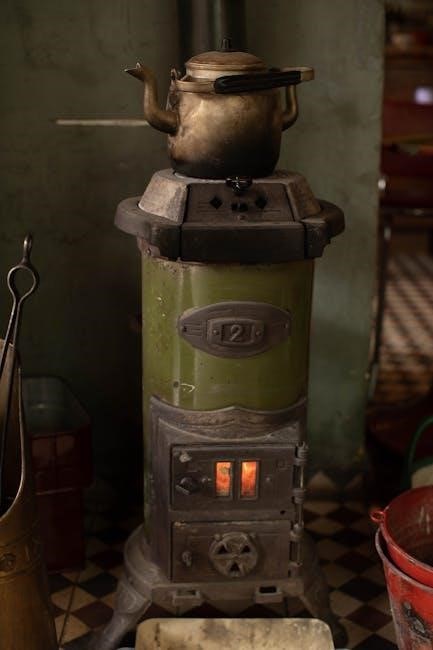
This section details the essential parts of your Federal Airtight stove, including the firebox, baffle, damper, and ash pan, referencing diagrams for identification and proper function.
Detailed Diagram of the Federal Airtight Stove (FA264CCL Model)
A comprehensive diagram illustrating the FA264CCL model is crucial for understanding the stove’s construction and identifying individual components. This visual guide, often found within the Consolidated Dutchwest manuals, showcases all original parts. However, availability of these parts can be limited.
The diagram clearly labels key elements such as the firebox, baffle plate, air control damper, door assembly, and ash pan mechanism. It also highlights the chimney collar and any associated draft controls. Understanding the placement and function of each part is vital for safe and efficient operation.
Please note that due to parts availability, not all components shown in the original diagram may be currently obtainable. Resources like Woodsman Parts specialize in sourcing replacement parts, but their inventory is subject to change. Refer to the diagram alongside parts lists to determine compatibility and availability.
Identifying Common Stove Parts: Firebox, Baffle, Damper
The firebox is the central combustion chamber of the Federal Airtight stove, designed to withstand intense heat. Its robust construction ensures efficient burning of wood fuel. The baffle plate, positioned above the firebox, plays a critical role in directing airflow and maximizing heat retention by forcing gases to travel a longer path.
The air control damper is a key component for regulating combustion. Adjusting the damper controls the amount of air entering the firebox, influencing burn rate and heat output. Proper damper control is essential for achieving optimal efficiency and minimizing smoke emissions.
Understanding the function of these three parts – firebox, baffle, and damper – is fundamental to operating your stove safely and effectively. Regular inspection of these components ensures they are functioning correctly and contributing to a clean, efficient burn.
Ash Pan and Door Mechanism – Troubleshooting Closure Issues
The ash pan collects residue from combustion, requiring periodic removal for optimal stove performance. A properly sealing ash pan door is crucial to prevent air leaks and maintain efficient burning. However, issues with closure can arise, often due to misalignment or debris obstructing the mechanism.
Specifically, the L-shaped lug on the fireside of the ash door handle may not catch on the stove’s flange. This prevents complete closure. Carefully inspect the lug and flange for damage or buildup. Ensure the handle is fully engaged during closure.
If the issue persists, investigate further for obstructions. A thorough cleaning of the door and surrounding area may resolve the problem. If parts are damaged, consider replacement through Woodsman Parts, as obtaining original components can be challenging.
Installation and Safety Procedures
Proper installation is vital for safe and efficient operation. This section covers stove placement, chimney guidelines, and the critical importance of carbon monoxide detection systems.

Proper Stove Placement and Clearances
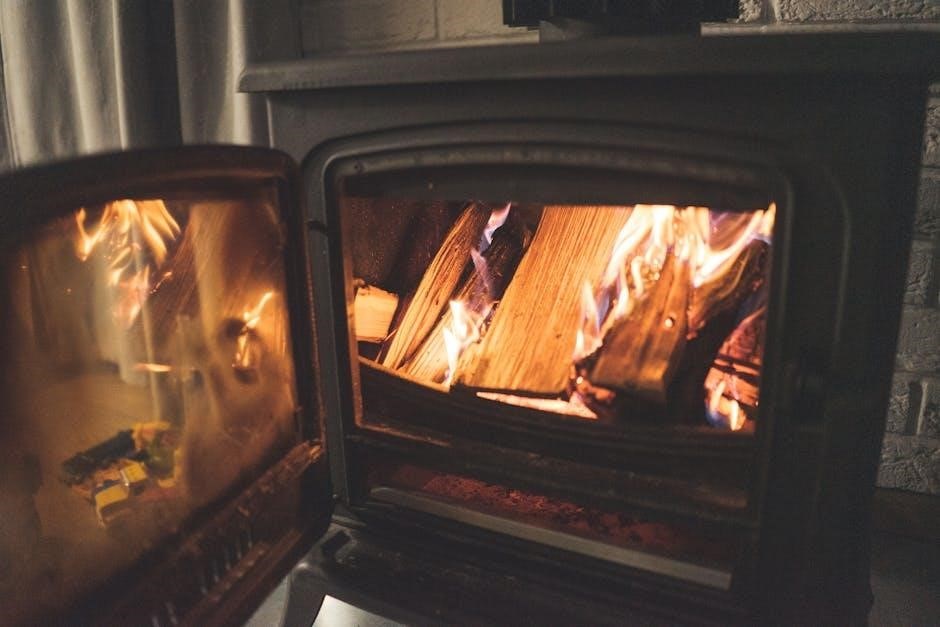
Ensuring correct stove placement and maintaining adequate clearances are paramount for safety and preventing potential fire hazards. Federal Airtight stoves require specific distances from combustible materials like walls, flooring, and furniture. Consult local building codes for specific regulations, as they may vary.
Generally, a minimum clearance of at least 18 inches should be maintained from unprotected walls. When installing on a combustible floor, a non-combustible hearth extending at least 18 inches in front of the stove and 8 inches to the sides is essential. Consider the proximity of doorways and walkways to avoid accidental contact with the hot stove surface.
Pay close attention to ceiling height and any overhead combustible materials. Insufficient clearance can lead to overheating and ignition. Always refer to the official Consolidated Dutchwest FA264CCL manual for detailed clearance specifications tailored to your specific installation scenario. Ignoring these guidelines could void warranties and, more importantly, compromise safety.
Chimney Requirements and Installation Guidelines
A properly installed and maintained chimney is crucial for safe and efficient operation of your Federal Airtight stove. The chimney must be of appropriate height and diameter to ensure adequate draft, preventing smoke backdrafts and carbon monoxide buildup. Generally, the chimney should extend at least three feet above the highest point where it exits the roof.
Use only listed and approved chimney components, such as Class A chimney liners. Avoid connecting to a chimney serving another appliance unless specifically designed for multiple connections. Regular chimney inspections are vital – at least annually – to check for creosote buildup, obstructions, and structural integrity.
Professional installation is highly recommended. Improper chimney installation can create significant safety hazards. Ensure the chimney is sealed correctly to prevent leaks and heat transfer to surrounding combustible materials. Refer to the Consolidated Dutchwest FA264CCL manual for specific chimney requirements and local building code compliance.
Importance of Carbon Monoxide Detectors
Carbon monoxide (CO) is a colorless, odorless, and deadly gas produced by incomplete combustion. A Federal Airtight wood stove, while efficient, can potentially release CO if not properly installed, operated, or maintained. Therefore, installing and maintaining carbon monoxide detectors is absolutely essential for your safety.
Place CO detectors on every level of your home, especially near sleeping areas. Choose detectors that meet current safety standards (UL 2034). Test the detectors monthly and replace batteries at least twice a year, or as recommended by the manufacturer.
Never ignore a CO alarm! If the alarm sounds, immediately evacuate the premises and call emergency services. Do not re-enter until the source of the CO has been identified and corrected. Regular stove inspections and chimney cleaning, alongside functioning CO detectors, are your best defense against this silent threat.
Operating Your Federal Airtight Stove
Efficient operation involves mastering fire starting techniques, air control for optimal combustion, and selecting appropriate wood types for consistent heat output.
Starting a Fire: Best Practices and Techniques
Successfully starting a fire in your Federal Airtight stove requires a methodical approach. Begin with a generous bed of dry kindling – small twigs, wood shavings, or commercially prepared fire starters work well. Layer this with progressively larger pieces of dry softwood, such as pine or fir.
Ensure adequate airflow by opening the air controls fully during the initial stages of ignition. Light the kindling from the bottom, allowing the flames to gradually build and spread. Once the softwood is burning steadily, carefully add larger pieces of seasoned hardwood.
Avoid overloading the firebox, as this can smother the flames. A teepee or log cabin structure promotes good airflow and efficient combustion. Remember, patience is key; allow the fire to establish itself before adjusting the air controls to maintain a consistent burn. A well-established fire is the foundation for efficient heating.
Air Control and Combustion Efficiency
The air control on your Federal Airtight stove is crucial for regulating combustion and maximizing efficiency. Fully open dampers provide ample oxygen for initial start-up and rapid heating. Once the fire is established, gradually reduce the airflow to achieve a slower, more controlled burn.
Experiment with different air control settings to find the optimal balance between heat output and fuel consumption. A smaller air opening restricts oxygen, leading to a hotter, more complete burn with less smoke. However, too little air can result in smoldering and creosote buildup.
Observe the flame characteristics – a bright, lively flame indicates efficient combustion, while a lazy, smoky flame suggests insufficient airflow. Regularly adjusting the air control based on these observations will ensure optimal performance and minimize emissions.
Fuel Selection: Recommended Wood Types
Choosing the right wood is vital for efficient and safe operation of your Federal Airtight stove. Seasoned hardwoods, such as oak, maple, and birch, are highly recommended due to their density and long-lasting burn. Wood should be properly seasoned – ideally dried for at least six months, and preferably a year – to reduce moisture content below 20%.
Avoid using softwoods like pine or fir as primary fuel, as they burn quickly, produce more smoke, and contribute to creosote buildup. If softwoods are used, mix them with hardwoods. Never burn green or wet wood, painted wood, treated lumber, or trash.
Properly seasoned wood provides more heat, burns cleaner, and minimizes creosote formation. Regularly check moisture content with a wood moisture meter for optimal performance and stove longevity.
Maintenance and Troubleshooting
Regular cleaning and prompt attention to issues ensure optimal stove performance and safety. Address smoke backdrafts, poor heating, and ash door closure problems efficiently.
Regular Cleaning Procedures for Optimal Performance
Maintaining a clean Federal Airtight stove is crucial for efficient heating and safe operation. Frequent ash removal is paramount; allow ashes to cool completely before disposal in a metal container with a tight-fitting lid. Inspect the firebox regularly for cracks or damage, addressing any issues promptly.
The baffle plate, a key component for combustion, should be inspected and cleaned periodically to remove soot and creosote buildup. A clogged baffle reduces efficiency and increases the risk of chimney fires. The glass door, if equipped, benefits from regular cleaning with a specialized stove glass cleaner to maintain visibility and heat transfer.
Furthermore, a thorough chimney inspection and cleaning by a qualified professional at least once annually is essential. Creosote accumulation poses a significant fire hazard. Consistent cleaning practices not only enhance performance but also extend the lifespan of your Federal Airtight stove, ensuring years of reliable warmth.
Addressing Common Issues: Smoke Backdraft, Poor Heating
Smoke backdraft often indicates insufficient draft in the chimney. Ensure the chimney is clean and unobstructed, and verify proper height and diameter according to installation guidelines; Cold chimney temperatures can also contribute; pre-warming the chimney with a small amount of kindling can help establish a draft.
Poor heating performance may stem from several factors. Check for air leaks around the stove and chimney connections, as these reduce efficiency. Ensure the baffle plate is correctly positioned and clean, as a malfunctioning baffle significantly impacts combustion.
Using improperly seasoned wood is a frequent cause of poor heating; wood should have a moisture content below 20%. Finally, confirm the air controls are adjusted appropriately for the desired burn rate. If issues persist, consult a qualified stove technician for a professional assessment.
Finding Replacement Parts (Woodsman Parts & Consolidated Dutchwest)
Locating replacement parts for your Federal Airtight stove is crucial for maintaining its performance and longevity. Woodsman Parts is a recommended source, offering a selection of components specifically for these stoves. However, availability can vary, as noted in resources, with not all original parts currently obtainable.
Consolidated Dutchwest, the original manufacturer, also provides parts, though their inventory may be limited. When ordering, having the model number (FA264CCL) is essential for accurate part identification. Diagrams illustrating all original parts are available online, aiding in the selection process.
Before ordering, carefully inspect the damaged part and compare it to available diagrams and descriptions. Consider contacting customer assistance at Consolidated Dutchwest or Woodsman Parts for guidance if you are unsure about compatibility.
Advanced Topics & Resources
Explore stove efficiency ratings for optimal heating and fuel consumption. Access additional support through online forums, FAQs, and customer assistance provided by Woodsman Parts and Consolidated Dutchwest.
Understanding Stove Efficiency Ratings
Federal Airtight stoves, like all wood-burning appliances, are rated for efficiency, but understanding these ratings requires some clarification. Efficiency isn’t simply about how much heat a stove can produce, but how effectively it converts the potential energy in wood into usable heat for your home. Older stoves, including many Federal Airtight models, weren’t subject to the same rigorous testing standards as newer EPA-certified stoves.
Therefore, directly comparing the efficiency of a vintage Federal Airtight to a modern stove can be misleading. Factors influencing efficiency include wood type (hardwoods burn hotter and longer), dryness of the wood (seasoned wood is crucial), air control settings, and proper stove operation. A well-maintained, properly operated older stove can still provide substantial heat, even if its official efficiency rating is lower.
Look for information regarding BTU output and burn time as indicators of performance. While a precise efficiency percentage might be unavailable, understanding these factors will help you maximize the heating potential of your Federal Airtight stove. Resources from Woodsman Parts and Consolidated Dutchwest may offer insights into specific model performance characteristics.
Resources for Additional Support and Information
Beyond this manual, several valuable resources exist for Federal Airtight stove owners seeking assistance and further knowledge. Woodsman Parts is a key supplier for replacement components, offering a range of parts for various models, including the FA264CCL. Their website often features helpful diagrams and troubleshooting tips.
Consolidated Dutchwest, the original manufacturer, provides manuals and support information, though availability of parts may be limited. Online forums and communities dedicated to wood stoves are excellent platforms to connect with other owners, share experiences, and seek advice.
Customer assistance is available directly through Consolidated Dutchwest at 203-426-1230. Their website also lists showroom locations for in-person support and potential parts acquisition. Remember to consult local building codes and regulations regarding wood stove installation and operation. Prioritize safety and responsible wood burning practices for optimal performance and longevity of your Federal Airtight stove;
Contact Information: Customer Assistance & Showroom Locations
For direct customer assistance regarding your Federal Airtight wood burning stove, Consolidated Dutchwest is your primary point of contact. You can reach their dedicated support team by phone at 203-426-1230. They are equipped to address questions about parts, manuals, and general stove operation.
Consolidated Dutchwest also maintains showroom locations where you can receive personalized assistance and potentially view available parts. Their website provides details regarding these locations and appointment scheduling.
Additionally, explore their online resources, including FAQs, shipping and return policies, and privacy notices, all accessible through their website; Don’t hesitate to submit customer feedback or reviews to share your experience. Remember to inquire about their sales team and construction/installation technician opportunities if you are interested in joining their team.