Delve into the captivating world of vintage blow molds, plastic holiday decorations gaining renewed popularity! These collectible pieces,
often featuring iconic characters, offer a nostalgic charm and a vibrant history for enthusiasts to explore and cherish.
What are Vintage Blow Molds?
Vintage blow molds are hollow plastic decorations, primarily produced from the 1950s through the 1980s, and are instantly recognizable for their cheerful designs and often, illuminated features. These charming ornaments were made by inflating melted plastic inside a mold – a process similar to creating water bottles, but with a festive twist!
Initially, they were predominantly used as outdoor decorations, bringing seasonal cheer to lawns and gardens. However, smaller-scale creations also brightened indoor spaces. Common subjects included Halloween characters like pumpkins and ghosts, and Christmas figures such as Santa Claus, angels, and reindeer. The plastic construction, while durable, is susceptible to fading and cracking with age, adding to their unique vintage appeal. They represent a significant piece of mid-century modern and holiday decorating history.
The History of Blow Molding
Blow molding, the process behind these beloved decorations, dates back to the early 20th century, though its widespread application for mass-produced items emerged later. The technique involves forming hollow, one-piece articles by expanding a piece of hot plastic (called a parison) against the internal surfaces of a heated mold, using compressed air.
Initially used for industrial applications like large water tanks, the process was adapted for consumer goods in the 1950s. This coincided with the rise of plastics and a growing demand for affordable, durable decorations. The method allowed for intricate designs and efficient production, making blow molds accessible to a wide audience. Over time, refinements in plastic materials and molding techniques improved the quality and longevity of these festive figures, solidifying their place in holiday traditions.
Don Featherstone and the Rise of Popularity
Don Featherstone is largely credited with popularizing plastic blow mold decorations in the mid-20th century. Working for Poly-Lite Corporation, Featherstone designed many of the iconic Halloween and Christmas figures that became synonymous with the era. His innovative designs, coupled with the affordability of blow molding, propelled these decorations into mainstream American homes.
Featherstone’s creations weren’t just products; they were symbols of a burgeoning suburban lifestyle and festive spirit. His designs, like the classic Dracula, became highly sought-after collectibles. Some blow molds, like the Don Featherstone Dracula, are exceptionally expensive today, demonstrating his lasting impact. He truly transformed holiday decorating, making it accessible and visually striking for families nationwide.
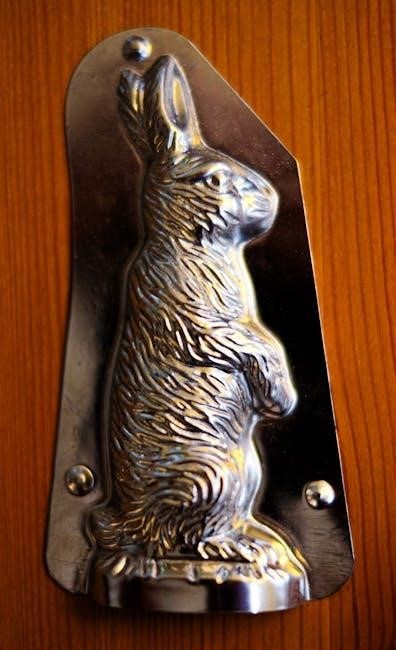
Early Manufacturers: A Look at the Pioneers
Several companies spearheaded the early production of blow mold decorations, laying the foundation for a collectible hobby. Poly-Lite Corporation, where Don Featherstone worked, was a dominant force, producing a vast array of designs throughout the 1950s and 60s. Other key manufacturers included Empire Plastics and Gem Plastics, each contributing unique styles and characters to the market.
These pioneers embraced the blow molding process – made by inflating melted plastic inside a die – as a cost-effective way to mass-produce durable and colorful decorations. Their early efforts established the aesthetic and manufacturing techniques that would define the golden age of blow molds. Identifying pieces by these manufacturers is crucial for collectors seeking to understand the history and value of their finds.
Types of Vintage Blow Molds
Vintage blow molds encompass a diverse range of forms and sizes, catering to various display preferences. Large outdoor figures, like Santa Claus or pumpkins, were designed to command attention on lawns. Smaller, tabletop pieces – miniature Santas, angels, and snowmen – brought festive cheer indoors, brightening mantels and tables.
Light toppers, often shaped like stars or angels, crowned holiday lighting with a vintage flair. Beyond these, trick-or-treat pails added a playful element to Halloween festivities. The variety extends to character representations, from classic Halloween monsters to beloved Christmas icons. Collectors often specialize in specific types, driven by aesthetic preference or rarity.
Halloween Blow Molds: Popular Characters & Designs
Halloween blow molds capture the spooky spirit of the season with iconic characters and designs. Witches stirring their cauldrons, grinning jack-o’-lanterns, and mischievous black cats are perennial favorites. Ghosts, skeletons, and bats add a chilling touch to outdoor displays. Don Featherstone’s Dracula stands out as a particularly rare and highly sought-after piece among collectors.
Classic designs often feature children in costumes trick-or-treating, embodying the joyful tradition. Many molds depict haunted houses or spooky trees, creating a miniature Halloween scene. The color palettes typically include orange, black, and purple, enhancing the eerie atmosphere. These vintage pieces evoke nostalgia and a sense of classic Halloween charm.
Christmas Blow Molds: Iconic Figures and Scenes
Christmas blow molds radiate festive cheer with beloved figures and heartwarming scenes. Santa Claus, often depicted waving or holding a gift bag, is a cornerstone of many collections. Angels with radiant wings, snowmen with carrot noses, and reindeer poised for flight complete the classic imagery. Nativity scenes, portraying the birth of Jesus, offer a reverent touch.
Popular designs showcase carolers singing under lampposts, families gathered around Christmas trees, and children building snowmen. Miniature villages and churches add to the idyllic winter wonderland. Light toppers, shaped like stars or angels, crown holiday lighting with vintage flair. These molds, often brightly colored, bring a nostalgic glow to holiday displays.
Tabletop & Indoor Blow Molds: Smaller Scale Collectibles
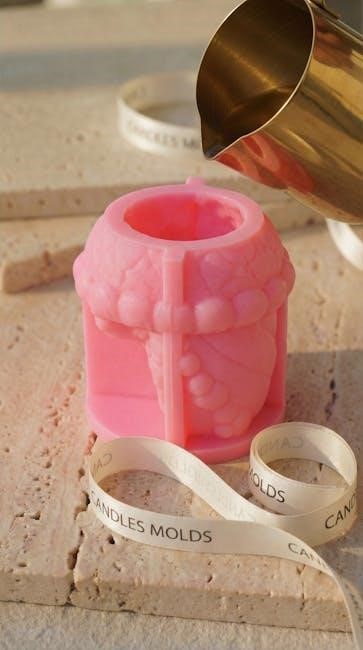
Beyond the grand outdoor displays, tabletop and indoor blow molds offer a charming, scaled-down collectible experience. These pieces, designed to brighten mantels, dining tables, and shelves, capture the same nostalgic spirit in a more intimate format. Miniature Santas, angels, snowmen, and reindeer are frequently found, adding a festive touch to interior décor.
These smaller creations often feature intricate details and vibrant colors, despite their size. Collectors prize these for their delicate craftsmanship and the ability to create cozy holiday vignettes. They complement larger outdoor displays or stand alone as delightful seasonal accents. Finding complete sets or rare character variations adds to the thrill of the hunt.
Light Toppers: Crowning Holiday Lighting
Vintage light toppers represent a unique and often overlooked segment of the blow mold collectible world. Designed to sit atop outdoor holiday lighting displays, these plastic figures added a whimsical finishing touch to festive illuminations. Commonly shaped like stars, angels, or even miniature Christmas trees, they crowned the lights with vintage flair.
These toppers often featured translucent plastic, allowing the light to shine through, creating a captivating glow. Collectors seek out examples in good condition, with vibrant colors and intact mounting hardware. Identifying the manufacturer can be challenging, but adds to the appeal. They represent a charming detail from a bygone era of holiday decorating, completing the festive scene.
Identifying Vintage Blow Molds
Successfully identifying vintage blow molds requires a keen eye for detail and understanding of manufacturing characteristics. Look for specific clues that distinguish older pieces from modern reproductions. Examining the plastic itself is crucial; vintage molds often exhibit a slightly softer, less rigid plastic compared to newer versions. Signs of age, such as fading, discoloration, or minor imperfections in the plastic, are also indicators.
Pay close attention to the electrical components, as older plugs and wiring are telltale signs of vintage origin. Furthermore, searching for markings and signatures, though not always present, can help pinpoint the manufacturer and approximate age. Understanding these details is key to authenticating and appreciating these nostalgic collectibles.
Markings and Signatures: What to Look For

While not all vintage blow molds are marked, the presence of a signature or mold number significantly aids identification and valuation. Don Featherstone pieces, highly sought after, often bear his signature or the “Samhong” mark, indicating production by the Korean company. Other manufacturers, like Empire, also utilized mold numbers stamped discreetly on the back or base of the figure.
These markings can be subtle and require careful inspection. Look for raised lettering or impressed symbols. The absence of a mark doesn’t automatically disqualify a piece as vintage, but it makes definitive attribution more challenging. Documenting any markings found is crucial for research and establishing authenticity within the collector community.
Materials and Construction: Recognizing Vintage Plastic

Early vintage blow molds were primarily crafted from polyethylene plastic, a material chosen for its durability and suitability for the blow molding process. This process, similar to creating water bottles, involves inflating melted plastic within a mold. Vintage plastic often exhibits a slightly softer, more pliable feel compared to modern plastics.

The quality of the plastic varied between manufacturers. Some pieces display a thicker, more robust construction, while others are noticeably thinner and lighter. Examining the seams and overall finish can reveal clues about the manufacturing process. Look for consistent wall thickness and minimal warping, indicators of a well-made vintage piece. The plastic’s texture can also offer insights into its age and origin.
Signs of Age: Wear, Fading, and Electrical Components
Vintage blow molds inevitably show signs of age, contributing to their unique character and story. Common indicators include paint fading, particularly on pieces exposed to sunlight. Chipping and minor cracks are also frequent, especially in older or less-protected examples. These imperfections are often considered part of the collectible’s charm.
Electrical components require careful inspection. Vintage plugs and wiring can become brittle or damaged over time, posing a safety hazard. Look for frayed wires, cracked insulation, and loose connections. It’s crucial to assess the electrical condition before plugging in any vintage blow mold. Discoloration of the plastic itself, a yellowish or brownish tint, is another telltale sign of age and exposure.
Assessing Value and Rarity
Determining the value of a vintage blow mold requires considering several factors. Rarity is paramount; limited-edition pieces or those from early manufacturers command higher prices. Condition significantly impacts value, with pristine examples fetching premiums. Popular characters, like Don Featherstone’s Dracula, are highly sought after and often expensive.
Researching comparable sales is essential. Online auctions and marketplaces provide valuable data points. Understanding the manufacturer and the specific mold design also influences value. Resources dedicated to vintage collectibles can offer expert appraisals. Don’t underestimate the power of demand – current trends and collector interest play a crucial role in pricing.
Factors Influencing Blow Mold Value
Several key elements dictate the worth of vintage blow molds. Firstly, rarity is a major driver – limited production runs or unique designs significantly increase value. Condition plays a crucial role; pieces with minimal wear, fading, or damage are more desirable. The manufacturer is also important, with early pioneers like Don Featherstone commanding higher prices;
Character popularity impacts demand, with iconic Halloween and Christmas figures being particularly sought after; Originality is key; unrestored pieces often hold more value for collectors. Electrical functionality, while not always essential, can add to the worth. Finally, current market trends and collector interest heavily influence pricing fluctuations.
Rare and Highly Sought-After Blow Molds (e.g., Don Featherstone Dracula)
Certain vintage blow molds consistently fetch premium prices among collectors. The Don Featherstone Dracula is arguably the most iconic and valuable, often exceeding several hundred dollars depending on condition. Other highly prized pieces include early iterations of Santa Claus, reindeer, and pumpkin characters. Unique color variations or unusual designs also contribute to increased desirability.
Blow molds from smaller, lesser-known manufacturers can also be rare finds. Complete sets of themed decorations, like a full Halloween village, are particularly valuable. Pieces in exceptional condition, retaining original paint and without significant damage, command top dollar. Limited edition or promotional items are also highly sought after by dedicated collectors.
Resources for Determining Value
Accurately assessing the value of vintage blow molds requires utilizing several resources. Online auction sites like eBay provide a wealth of completed listing data, showcasing actual selling prices for comparable items. Collector forums and communities offer valuable insights from experienced enthusiasts who can provide opinions on rarity and condition. Price guides, though sometimes outdated, can offer a general baseline for value.
Antique Trader and similar publications often feature articles and price updates on vintage holiday decorations. Blogs dedicated to vintage collectibles, like Emily Retro, frequently discuss blow mold values and identification. Remember to consider condition, rarity, and demand when evaluating a piece. Thorough research is key to ensuring a fair price, whether buying or selling;
Restoration and Preservation
Preserving the charm of vintage blow molds often necessitates careful restoration. Cleaning should begin with mild soap and water, avoiding harsh chemicals that can damage the plastic. Repairing cracks can be achieved with specialized plastic adhesives, though professional restoration may be needed for significant damage. Electrical safety is paramount; inspect wiring for fraying and consider replacing old plugs.
Sun fading is a common issue; while complete restoration of color is difficult, protective coatings can prevent further damage. Avoid abrasive cleaners or polishing compounds. Prioritize stabilization over perfection, as excessive restoration can diminish value. Document any repairs undertaken, maintaining the piece’s history and authenticity for future collectors.
Cleaning Vintage Blow Molds
Gentle cleaning is crucial when restoring vintage blow molds. Begin by removing loose dirt and debris with a soft brush or cloth. A solution of mild dish soap and lukewarm water is generally safe for most plastics, but always test in an inconspicuous area first. Avoid harsh chemicals, abrasive cleaners, or solvents, as these can cause discoloration or damage the plastic’s surface.
Rinse thoroughly with clean water and allow the mold to air dry completely. For stubborn grime, a soft toothbrush can be used carefully. Pay attention to crevices and details. Never submerge electrical components in water. Consider using a plastic protectant after cleaning to help maintain the mold’s appearance and prevent future fading.
Repairing Cracks and Damage
Addressing cracks and damage is vital for preserving vintage blow molds. Small cracks can often be repaired using specialized plastic adhesives designed for polyethylene or polypropylene – identify your mold’s plastic type first! Clean the area thoroughly before applying the adhesive, clamping the pieces together until fully cured. For larger breaks, consider epoxy formulated for plastics, offering greater strength.
Missing pieces are more challenging. Replicating parts is an option, but professional restoration might be necessary for seamless results. Avoid using super glue, as it can become brittle and yellow over time. Carefully sand any repaired areas to blend them with the original surface. Remember, restoration should aim to stabilize the mold, preserving its character while minimizing visible repairs.
Electrical Safety Considerations
Vintage blow molds often have aged electrical components, demanding careful inspection. Before plugging in any mold, meticulously examine the wiring for fraying, cracking, or exposed wires. Replace damaged cords immediately with appropriately rated replacements – never attempt to repair damaged cords with tape! Ensure the plug is in good condition and properly grounded if applicable.
Consider replacing the original wiring entirely for enhanced safety, especially if it appears brittle or deteriorated. Always use a Ground Fault Circuit Interrupter (GFCI) outlet when powering outdoor blow molds, protecting against electrical shock. Never use a mold with a damaged housing, as this can expose electrical components to the elements. Prioritize safety; a faulty mold isn’t worth the risk!
Where to Find Vintage Blow Molds
The hunt for vintage blow molds is part of the fun! Estate sales and flea markets are treasure troves, often yielding affordable finds. Be prepared to dig and negotiate! Online auctions and marketplaces like eBay provide a wider selection, but require careful scrutiny of photos and descriptions. Collector communities and forums are invaluable resources, offering leads and expert advice.
Local antique stores sometimes carry blow molds, though prices may be higher. Don’t overlook garage sales and neighborhood listings. Patience is key; finding the perfect piece takes time. Networking with fellow collectors can unlock access to private collections and upcoming sales. Remember to factor in shipping costs when purchasing online!
Estate Sales and Flea Markets
Estate sales represent prime hunting grounds for vintage blow molds, often revealing collections amassed over decades. These sales frequently offer lower prices than antique stores, as sellers prioritize clearing out entire households. Flea markets, while requiring more digging, can also yield fantastic finds, especially from vendors specializing in vintage items.
Be prepared to arrive early for the best selection, and don’t hesitate to politely inquire about pricing. Inspect each blow mold carefully for damage, fading, or electrical issues. Haggling is often acceptable, particularly at flea markets. Remember to bring cash, as many vendors don’t accept cards; The thrill of the hunt and potential bargains make estate sales and flea markets rewarding experiences!
Online Auctions and Marketplaces
Online platforms like eBay are treasure troves for vintage blow mold collectors, offering a vast selection from sellers nationwide; Marketplaces such as Etsy often feature curated collections and restored pieces. However, exercise caution and thoroughly review seller ratings and descriptions before bidding or purchasing.

Pay close attention to shipping costs, as large blow molds can be expensive to transport. High-resolution photos are crucial for assessing condition. Utilize search filters to narrow your results by character, manufacturer, or condition. Be aware of potential scams and use secure payment methods. Online auctions and marketplaces provide convenience and access to rare finds, but require diligent research.
Collector Communities and Forums
Engaging with fellow enthusiasts through online communities and forums is invaluable for vintage blow mold collectors. Reddit’s r/halloween, for example, showcases restorations and discussions. These platforms offer opportunities to share knowledge, identify pieces, and learn about market values. Facebook groups dedicated to vintage holiday décor are also excellent resources.
Collectors often share tips on restoration, repair, and identifying rare molds. Forums provide a space to ask questions, receive expert advice, and connect with potential buyers or sellers. Networking within these communities can significantly enhance your collecting experience and help you discover hidden gems. Active participation fosters a supportive environment for all levels of collectors.
Caring for Your Collection
Preserving your vintage blow molds requires mindful storage and display practices. Protecting against sun fading is crucial; avoid prolonged direct sunlight exposure, as it can cause colors to bleach. Store pieces in a cool, dry place, away from extreme temperatures and humidity, to prevent cracking or warping. Consider using acid-free tissue paper for individual wrapping.
When displaying, elevate molds off the ground to minimize dust accumulation and potential damage. Regular cleaning with a mild soap and water solution will remove dirt and grime. Address any cracks or damage promptly to prevent further deterioration. Careful handling and preventative measures will ensure your collection remains vibrant for years to come.
Storage Tips to Prevent Damage
Proper storage is paramount for maintaining the condition of your cherished vintage blow molds. Avoid stacking, as this can cause crushing or stress cracks, especially in older, more brittle plastics. Utilize individual storage containers – plastic bins with lids are ideal – to shield from dust, pests, and accidental impacts.
Temperature fluctuations can be detrimental; choose a climate-controlled environment like a basement or attic, avoiding extremes of heat and cold. Wrap delicate features, like arms or antennae, with acid-free tissue paper. Ensure the storage area is dry to prevent mold or mildew growth. Careful attention to these details will safeguard your investment and preserve their nostalgic appeal.
Displaying Your Blow Molds
Showcasing your vintage blow molds enhances their charm and brings a festive spirit to your home! Avoid direct sunlight, as prolonged exposure causes fading and plastic degradation. Consider indoor displays for particularly delicate or valuable pieces, protecting them from the elements.
Secure outdoor blow molds to prevent wind damage, using stakes or weights. Arrange them creatively – grouping by theme or color creates visual impact. Regularly inspect electrical cords and connections for safety. Elevated displays can add prominence, but ensure stability. Thoughtful presentation not only highlights your collection but also preserves these nostalgic treasures for years to come.
Protecting Against Sun Fading
Sunlight is a primary enemy of vintage blow molds, causing colors to fade and plastic to become brittle. Minimize direct exposure by strategically positioning your displays. Consider shaded areas or using protective barriers like trees or shrubs. UV protectant sprays, designed for plastics, can offer an additional layer of defense, though test on an inconspicuous area first.
Rotating your displays seasonally can help even out sun exposure. Indoor display is the best protection, especially for prized pieces. Regular cleaning with mild soap and water removes dirt that can accelerate fading. Remember, prevention is key – proactive measures significantly extend the life and vibrancy of your cherished blow molds.