Biblical conflicts, documented across centuries, offer profound insights into faith, strategy, and divine intervention․
Numerous resources, including downloadable PDFs, meticulously catalog lists of battles in the bible,
providing detailed accounts of ancient warfare and its spiritual significance․ These documents aid scholars
and enthusiasts in understanding the historical and theological context of these pivotal events․
The Significance of Battles in the Bible
Biblical battles transcend mere historical accounts of conflict; they serve as powerful allegories illustrating spiritual warfare and God’s sovereignty․ Examining these confrontations, often detailed in comprehensive lists of battles in the bible available as PDF downloads, reveals recurring themes of faith, obedience, and divine intervention․
These narratives weren’t simply about territorial gains or political dominance․ They frequently represented a struggle between good and evil, with the Israelites often embodying God’s chosen people facing opposition from forces aligned against His will․ The victories, and even the defeats, demonstrated God’s power and faithfulness – or the consequences of disobedience;
Studying these battles, aided by resources like detailed battle maps and chronological PDF listings, allows for a deeper understanding of the cultural context, military tactics, and theological implications embedded within the biblical text․ They offer timeless lessons about courage, trust, and the ultimate triumph of righteousness․
Sources for Identifying Battles in the Bible
Identifying biblical battles requires careful examination of scriptural texts, historical context, and scholarly resources․ Fortunately, numerous sources compile lists of battles in the bible, often available as convenient PDF documents for easy access and study․ These resources typically draw from the Old and New Testaments, categorizing conflicts chronologically or thematically․
Academic commentaries and biblical encyclopedias provide in-depth analyses of specific battles, offering insights into their historical accuracy and theological significance․ Online databases and websites dedicated to biblical history frequently feature comprehensive lists, sometimes interactive with maps․
Furthermore, specialized PDF guides often focus on military aspects, detailing weaponry, tactics, and the geopolitical landscape of ancient Israel․ These resources, combined with diligent scriptural study, enable a thorough understanding of the conflicts that shaped biblical history and their enduring relevance․
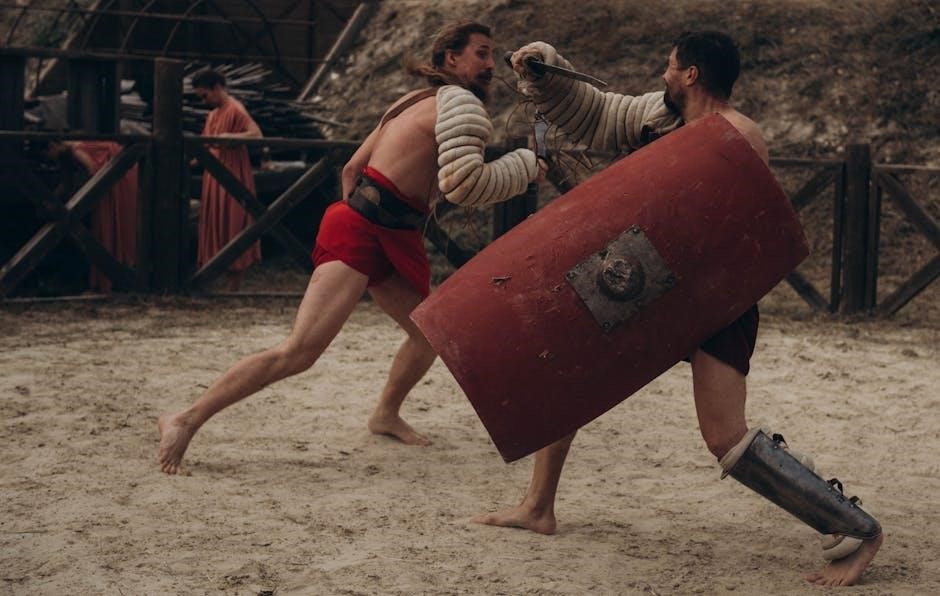
Old Testament Battles
Old Testament accounts detail numerous conflicts, readily accessible through comprehensive lists of battles in the bible, often compiled in convenient PDF format for detailed study․
Battles of the Patriarchal Era
Early biblical narratives present conflicts differing from large-scale warfare, often involving skirmishes and divine interventions․ Examining these events requires careful study, aided by resources like detailed lists of battles in the bible available in PDF format․
Abraham’s confrontations, while not always direct battles, demonstrate courage and faith, particularly when rescuing Lot․ These accounts, alongside Jacob’s symbolic wrestling match with God – interpreted as a spiritual battle for blessing and identity – are meticulously documented․
These foundational stories, though lacking the detailed tactical descriptions of later conflicts, are crucial for understanding the development of warfare themes within the biblical narrative․ PDF resources compiling these early encounters provide valuable context, tracing the evolution of conflict and divine providence throughout the patriarchal period․ They offer a structured approach to understanding these pivotal moments․
Abraham and the Kings of Shinar
Genesis 14 recounts Abraham’s involvement in a conflict between the kings of Shinar (Mesopotamia) and the kings of Sodom and Gomorrah․ While Abraham doesn’t initiate the war, he actively participates after Lot, his nephew, is captured․ This event showcases early examples of warfare and alliances in the biblical narrative․
Detailed lists of battles in the bible, often found in comprehensive PDF guides, meticulously outline the participating kings and territories․ These resources highlight the strategic importance of the region and the complex political landscape of the time․ Abraham’s victory, achieved with a small force, is attributed to divine assistance․
Studying this encounter through available PDF analyses reveals its significance as a precursor to God’s covenant with Abraham, demonstrating His protection and favor․ It’s a pivotal moment illustrating faith and divine intervention in early biblical history, offering valuable insights into ancient warfare․
Jacob Wrestling with God (Symbolic Battle)
Genesis 32:22-32 describes Jacob’s all-night struggle with a mysterious man, identified as God or an angel․ This isn’t a conventional battle with weapons, but a profound spiritual contest representing Jacob’s striving for God’s blessing and a new identity․ It’s a powerful metaphor for inner turmoil and the pursuit of faith․
While not a physical conflict listed in typical lists of battles in the bible, its symbolic weight is immense․ Scholarly PDF resources often analyze this encounter as a crucial turning point in Jacob’s life, marking his transformation into Israel․ The wrestling match signifies a struggle for divine favor and a changed nature․
Detailed PDF studies explore the theological implications of this “battle,” emphasizing themes of perseverance, humility, and the transformative power of encountering God․ It’s a unique representation of conflict, highlighting the internal battles we face in our spiritual journeys․
Battles During the Exodus and Conquest of Canaan
The Exodus and subsequent conquest of Canaan are replete with divine interventions and military engagements․ From the initial confrontations with Pharaoh’s army to the systematic dismantling of Canaanite strongholds, these events showcase God’s power and Israel’s obedience (or lack thereof)․ Comprehensive lists of battles in the bible frequently dedicate significant sections to this period․
Numerous PDF resources detail the strategic importance of battles like Rephidim, Jericho, and Ai, analyzing troop movements, tactics, and the role of faith․ These documents often include maps illustrating the geographical context of each conflict․ Detailed accounts of the battles against the Canaanite kings – Gibeon, Jerusalem, Hebron, and others – are readily available․
Scholarly PDF analyses explore the theological significance of these battles, framing them as demonstrations of God’s covenant promises and judgments․ They highlight the challenges faced by the Israelites and the consequences of disobedience, offering a nuanced understanding of this pivotal era․
The Battle of Rephidim (Against the Amalekites)
The Battle of Rephidim, recounted in Exodus 17, represents a seemingly minor skirmish with profound spiritual implications․ While not a large-scale conflict, it demonstrates Israel’s vulnerability and God’s unwavering support․ Detailed lists of battles in the bible often include Rephidim due to its symbolic weight, not its tactical complexity․
PDF resources dedicated to this battle emphasize the significance of Moses’ raised hands, symbolizing reliance on divine power․ Analyses explore how this event foreshadows the ultimate victory through Christ․ Maps illustrating the terrain of Rephidim are frequently included in comprehensive biblical battle PDFs․

Scholarly interpretations, available in downloadable PDF format, highlight the Amalekites’ relentless attack as a representation of the forces opposing God’s people․ The battle serves as a reminder that spiritual warfare often manifests in physical struggles, requiring constant faith and perseverance․
The Siege of Jericho
The Siege of Jericho, detailed in Joshua 6, stands as one of the most iconic battles in the Old Testament․ Lists of battles in the bible consistently feature Jericho due to its unique methodology – a seven-day march around the city walls culminating in a miraculous collapse․ Numerous PDF documents dissect the strategic and theological implications of this conquest․
Comprehensive PDF resources often include archaeological findings related to Jericho, attempting to correlate biblical accounts with historical evidence․ Maps illustrating the city’s fortifications and surrounding terrain are standard inclusions in biblical battle PDFs․ Scholarly analyses explore the symbolism of the trumpets, the ark of the covenant, and the complete destruction of the city․
Interpretations available in downloadable PDF format emphasize Jericho as a demonstration of God’s power and a foreshadowing of the spiritual battles Christians face, requiring complete obedience and faith․
The Battle of Ai
The Battle of Ai, recounted in Joshua 7-8, presents a stark contrast to the miraculous victory at Jericho․ Frequently included in lists of battles in the bible, Ai highlights the consequences of disobedience and the importance of complete reliance on God․ Detailed accounts and analyses are readily available in PDF format․
PDF resources dedicated to biblical warfare often explore the initial Israelite defeat at Ai, attributed to Achan’s sin of taking forbidden spoils․ Maps within these PDFs illustrate the terrain surrounding Ai and the Israelite strategies employed in the subsequent, successful attack․ These resources detail Joshua’s deceptive tactics, designed to lure the defenders into a vulnerable position․
Scholarly PDF analyses emphasize Ai as a lesson in spiritual warfare, demonstrating how sin can hinder God’s plans and necessitate repentance before victory can be achieved․ The battle serves as a cautionary tale within the broader narrative․
Battles Against the Canaanite Kings (Gibeon, Jerusalem, Hebron, Jarmuth, Lachish, Eglon)
The extensive campaign against the coalition of Canaanite kings, detailed in Joshua 10, is a prominent feature in comprehensive lists of battles in the bible․ Numerous PDF resources meticulously document these conflicts, focusing on the strategic importance of each city – Gibeon, Jerusalem, Hebron, Jarmuth, Lachish, and Eglon – within Canaanite territory․
These PDFs often include detailed maps illustrating the progression of the Israelite conquest, highlighting Joshua’s skillful military leadership and God’s intervention, notably the lengthening of the day․ Analyses within these documents explore the significance of the treaty with Gibeon and the subsequent retaliatory attacks by the other kings․
Scholarly PDFs emphasize the theological implications of these victories, portraying them as fulfillment of God’s promise to Abraham and a demonstration of His power over the nations․ The battles represent a pivotal moment in establishing Israel’s claim to the Promised Land․
Battles of the Judges
The period of the Judges, marked by cycles of apostasy and deliverance, features numerous localized conflicts meticulously cataloged in lists of battles in the bible, often available as downloadable PDFs․ These resources detail the struggles against oppressive nations, showcasing the leadership of divinely appointed judges․
PDF analyses highlight Deborah and Barak’s victory over Sisera’s Canaanite army, Gideon’s improbable triumph against the Midianites, and Jephthah’s costly war with the Ammonites․ Samson’s individual conflicts with the Philistines, while not large-scale battles, are also frequently included, demonstrating God’s power through unconventional means․
These PDF documents often explore the recurring themes of Israel’s disobedience and repentance, linking the military successes to their faithfulness to God․ They provide valuable insights into the socio-political landscape of ancient Israel and the nature of divine intervention during this turbulent era․
Deborah and Barak vs․ Sisera
The clash between Deborah, Barak, and Sisera, detailed in Judges 4-5, is a pivotal battle frequently featured in lists of battles in the bible, often accessible as comprehensive PDF guides․ These resources outline the strategic brilliance of Deborah, a prophetess and judge, and Barak’s hesitant leadership against the Canaanite army led by Sisera․
PDF analyses emphasize the unusual circumstances of the victory – achieved not through superior military force, but through a divinely orchestrated storm that routed Sisera’s chariots․ Jael’s courageous act of slaying Sisera further highlights God’s unconventional methods of deliverance․
These PDF documents often explore the symbolic significance of the battle, representing God’s triumph over oppression and the importance of female leadership․ They provide detailed accounts of the terrain, weaponry, and the cultural context of the conflict, offering a rich understanding of this iconic biblical event․
Gideon’s Battle Against the Midianites
Gideon’s victory over the Midianites, recounted in Judges 6-8, consistently appears in detailed lists of battles in the bible, frequently compiled into accessible PDF studies․ These resources highlight God’s deliberate reduction of Gideon’s army from thirty-two thousand to a mere three hundred men, emphasizing that victory stemmed from divine power, not numerical strength․
PDF analyses delve into the strategic use of trumpets, torches, and shouts to create confusion and panic within the Midianite camp, demonstrating a clever tactical approach․ The pursuit and capture of Zebah and Zalmunna, the Midianite kings, further illustrate Gideon’s courage and God’s complete triumph․
These PDF documents often explore the symbolism of the battle, representing God’s ability to use the weak to overcome the strong and the dangers of idolatry․ They provide insights into the socio-political landscape of the time, enriching our understanding of this remarkable biblical narrative․
Jephthah’s Battle Against the Ammonites
Jephthah’s conflict with the Ammonites, detailed in Judges 11-12, is a prominent entry in comprehensive lists of battles in the bible, often available as downloadable PDF resources․ These materials emphasize the complex political context – a dispute over territory stemming from ancient agreements – that ignited the war․ They showcase Jephthah’s role as a reluctant leader, chosen by God to deliver Israel․
PDF analyses explore Jephthah’s rash vow, a controversial aspect of the narrative, and its tragic consequences․ The battle itself is presented as a decisive victory for Israel, achieved through Jephthah’s military prowess and divine assistance․ Detailed maps within these PDFs illustrate the strategic positioning of both armies․
Scholarly PDF studies often examine the ethical implications of Jephthah’s vow and the battle’s impact on Israelite society, offering nuanced interpretations of this challenging biblical account․
Samson’s Conflicts with the Philistines
Samson’s numerous confrontations with the Philistines, chronicled in the Book of Judges (chapters 13-16), consistently feature in detailed lists of battles in the bible, frequently compiled into accessible PDF documents․ These resources highlight Samson’s unique role as a divinely empowered judge tasked with liberating Israel from Philistine oppression․ They detail his extraordinary strength and unconventional tactics․
PDF analyses often focus on Samson’s individual acts of defiance – his slaying of thirty men, the riddle contest, and the destruction of crops – portraying them as localized skirmishes rather than large-scale battles․ However, these actions collectively represent a sustained resistance movement․
Downloadable PDFs often include illustrations depicting Samson’s final, catastrophic act – bringing down the pillars of the temple – and discuss its symbolic significance․ Scholarly PDFs explore the narrative’s themes of vengeance, betrayal, and the complexities of divine purpose․
Battles of the United Kingdom
The era of the United Kingdom, under David and Solomon, witnessed significant military expansion, extensively documented in lists of battles in the bible often available as downloadable PDFs․ These resources detail David’s initial conflicts establishing his kingship, including battles against the Philistines, Ammonites, and various other regional powers․
PDF analyses frequently highlight David’s military genius and his successful campaigns to consolidate Israel’s territory․ They chart his conquests, including the capture of Jerusalem and the subjugation of surrounding nations․ Detailed maps within these PDFs illustrate the extent of David’s kingdom․
Solomon’s reign, while known for its peace and prosperity, also involved military preparedness and strategic alliances․ PDF documents outline Solomon’s building projects, including fortified cities and chariot towns, demonstrating a focus on defense․ These lists of battles in the bible provide a comprehensive overview of this pivotal period․
David’s Early Battles (Against the Philistines, Saul)
David’s rise to power was forged in numerous early battles, meticulously cataloged in lists of battles in the bible, often accessible as comprehensive PDF documents․ These resources detail his iconic confrontation with Goliath, a pivotal victory against the Philistines that established his reputation as a warrior․
PDF analyses highlight the strategic importance of these early engagements, showcasing David’s skill and courage․ They also document his conflicts with King Saul, initially stemming from Saul’s jealousy and culminating in a protracted pursuit․ These lists of battles in the bible reveal David’s resilience and faith․
Downloadable PDFs often include detailed accounts of skirmishes and ambushes, illustrating the challenges David faced while evading Saul’s forces․ These resources provide valuable insights into the political and military landscape of ancient Israel, offering a nuanced understanding of David’s early career․
David’s Conquests (Establishing the Kingdom)
Following Saul’s death, David embarked on a series of campaigns to consolidate his kingdom, events thoroughly documented in detailed lists of battles in the bible, frequently available as downloadable PDFs․ These resources chronicle his victories over the Philistines, Moabites, Ammonites, and Edomites, expanding Israel’s territory and influence․
PDF analyses of these conquests highlight David’s military genius and his ability to forge alliances․ They detail the sieges of key cities and the strategic maneuvers employed to overcome his enemies․ Comprehensive lists of battles in the bible reveal the scope of David’s ambition and his determination to establish a unified Israel․
These PDF documents often include maps illustrating the progression of David’s campaigns, providing a visual representation of his expanding kingdom․ They offer invaluable insights into the political and military dynamics of the region, showcasing David’s transformation from outlaw to king․
Solomon’s Military Campaigns
While renowned for his wisdom and building projects, Solomon also engaged in military activities to secure his kingdom and maintain peace, details often found within comprehensive lists of battles in the bible, accessible in PDF format․ These resources indicate Solomon focused more on fortifying cities and establishing a strong military presence than constant warfare․
PDF analyses of Solomon’s reign reveal his efforts to expand Israel’s trade routes and protect them from bandits and rival kingdoms․ He rebuilt and fortified key cities like Hazor, Megiddo, and Gezer, enhancing Israel’s defensive capabilities․ Detailed lists of battles in the bible show limited direct engagements, suggesting a strategy of deterrence․
These PDF documents often highlight Solomon’s large standing army and his chariot forces, demonstrating his commitment to military strength․ While not characterized by large-scale battles, Solomon’s campaigns were crucial for maintaining stability and prosperity during his reign․

New Testament References to Conflict
New Testament conflict primarily centers on spiritual warfare, though historical tensions are noted․ PDF resources detailing lists of battles in the bible
offer context, revealing a shift from physical to internal struggles․

Spiritual Warfare in the New Testament
The New Testament dramatically shifts the focus from physical battles detailed in lists of battles in the bible (often found in PDF format) to a pervasive theme of spiritual warfare․ This conflict isn’t waged with swords and shields, but against unseen forces of evil – sin, temptation, and the influence of the demonic․ Jesus’ ministry itself is portrayed as a confrontation with Satan, culminating in his victory over death and sin․
Paul, in his letters, extensively develops this concept, particularly in Ephesians 6:10-18, where he urges believers to “put on the whole armor of God․” This isn’t literal armor, but a metaphor for spiritual resources – truth, righteousness, the gospel of peace, faith, salvation, and the Word of God – necessary to withstand the attacks of the enemy․ Understanding the historical context of battles, as outlined in those PDF resources, helps appreciate the evolution of conflict portrayed in the New Testament․
This spiritual battle is continuous and personal, requiring constant vigilance and reliance on God’s power․ It’s a struggle for the hearts and minds of individuals, and ultimately, for the kingdom of God․
The Battle Against Sin and Temptation
Within the broader context of spiritual warfare in the New Testament, the most immediate and personal battle for believers is the fight against sin and temptation․ While lists of battles in the bible (often available as PDF downloads) detail external conflicts, this struggle is internal, a constant wrestling with our own desires and weaknesses․ Jesus faced temptation in the wilderness, demonstrating a model for resisting evil, and this echoes throughout the New Testament teachings․
This isn’t a battle we fight in our own strength․ The scriptures emphasize the necessity of relying on the Holy Spirit for power and guidance․ Recognizing our vulnerability and seeking God’s help are crucial steps․ Studying accounts of past victories – even those detailed in Old Testament battles found in those PDF resources – can offer encouragement and strategic insight․
Overcoming sin isn’t a one-time event, but a lifelong process of repentance, faith, and dependence on God’s grace․
Paul’s Metaphor of the Armor of God
Perhaps the most iconic depiction of spiritual warfare in the New Testament is found in Ephesians 6:10-18, where Paul utilizes the metaphor of the “armor of God․” This isn’t a call to physical combat, but a vivid illustration of the spiritual resources available to believers in their ongoing struggle against evil forces․ Studying historical battles – details often compiled in comprehensive lists of battles in the bible, sometimes accessible as PDF documents – can illuminate the importance of preparation and defense․

Each piece of armor – the belt of truth, breastplate of righteousness, shoes of the gospel of peace, shield of faith, helmet of salvation, and sword of the Spirit – represents a vital aspect of spiritual readiness․ Just as a Roman soldier relied on his armor for protection, Christians must equip themselves with these spiritual defenses․
This imagery underscores the reality of a constant, unseen conflict, demanding vigilance and reliance on God’s power․
Historical Conflicts Mentioned
While the New Testament primarily focuses on spiritual realities, it doesn’t exist in a historical vacuum․ Several references allude to conflicts occurring during the Roman occupation of Judea, providing context to the lives of Jesus and his followers․ These aren’t detailed battle narratives like those found in the Old Testament – often meticulously documented in lists of battles in the bible, sometimes available as downloadable PDF resources – but glimpses into a turbulent political landscape․
Events like uprisings, tensions with Roman authorities, and the presence of various factions (Zealots, Sadducees, Pharisees) hint at underlying unrest․ Understanding these historical pressures is crucial for interpreting the New Testament narratives․
These conflicts shaped the environment in which early Christians lived and ultimately contributed to the circumstances surrounding Jesus’ crucifixion and the subsequent spread of the Gospel․
Conflicts During the Roman Occupation of Judea
The period of Roman rule over Judea (63 BCE – 135 CE) was marked by frequent unrest and localized conflicts, though comprehensive lists of battles in the bible rarely detail these engagements with the same precision as Old Testament accounts․ Many resources, including downloadable PDF guides, focus on the larger rebellions rather than skirmishes․
Jewish resistance took various forms, from passive resistance and theological disputes to armed uprisings․ The First Jewish-Roman War (66-73 CE) resulted in the destruction of the Second Temple, a pivotal event alluded to in New Testament prophecies․ Prior to this, smaller-scale clashes and suppression of dissent were commonplace․

Understanding these ongoing tensions provides crucial context for interpreting New Testament events and the political climate surrounding Jesus’ ministry and the early Church․

Resources for Further Study (PDFs & Online)
PDF documents and websites offer extensive lists of battles in the bible, maps, and scholarly analyses․ Explore these resources for deeper understanding and detailed accounts․
Websites Offering Lists of Biblical Battles
Numerous online platforms dedicate themselves to cataloging and analyzing the conflicts detailed within the biblical narrative․ While a definitive, universally agreed-upon list remains elusive due to varying interpretations of what constitutes a “battle,” several websites provide comprehensive overviews․ Bible History Online frequently features articles detailing specific engagements, often linking to downloadable resources or further reading․
Additionally, websites focused on biblical archaeology and history, such as those associated with institutions like the Associates for Biblical Research, often include detailed analyses of ancient warfare and associated battle sites․ Searching for “biblical battles timeline” or “list of battles in the bible pdf” will yield numerous results, though careful evaluation of source credibility is crucial․ Many personal blogs and enthusiast sites also compile lists, but these should be cross-referenced with more scholarly sources․ Remember to prioritize websites with clear citations and a demonstrated commitment to historical accuracy when researching these ancient conflicts․
Availability of Biblical Battle Maps (PDF Format)
Visualizing the locations and movements during biblical battles significantly enhances understanding․ Fortunately, numerous resources offer downloadable battle maps in PDF format․ Websites specializing in biblical archaeology, like those affiliated with universities or research institutions, frequently provide detailed maps illustrating key engagements․ A focused search for “biblical battle maps PDF” reveals a wealth of options, ranging from simple diagrams to intricately detailed reconstructions․
Many online Bible study tools and resources also incorporate interactive maps or offer downloadable PDF versions․ These maps often highlight strategic locations, troop deployments, and topographical features relevant to the conflict․ When utilizing these resources, verify the map’s source and accuracy, as interpretations can vary․ Furthermore, some theological publishers offer comprehensive biblical atlases, often available as PDF downloads, containing detailed battle maps alongside historical and geographical context․