Samsung Smart Door Lock Manual: A Comprehensive Guide
This manual details installation, programming, and operation of your Samsung Smart Door Lock, covering safety, door preparation, and connectivity features for optimal security.
Welcome to enhanced home security! Samsung Smart Door Locks represent a significant advancement in access control, moving beyond traditional keys to offer convenience and peace of mind. These locks integrate seamlessly with your smart home ecosystem, providing features like remote access, user code management, and real-time notifications.
This manual serves as a comprehensive guide to understanding and utilizing your new lock. It covers everything from initial installation and setup to daily operation and troubleshooting. Compatible with door thicknesses ranging from 1-3/8 to 2-5/32 inches (35 to 55mm), these locks support up to 100 registered users via unique codes or ISO14443A access cards. Explore the possibilities of a keyless lifestyle!
Understanding Key Features
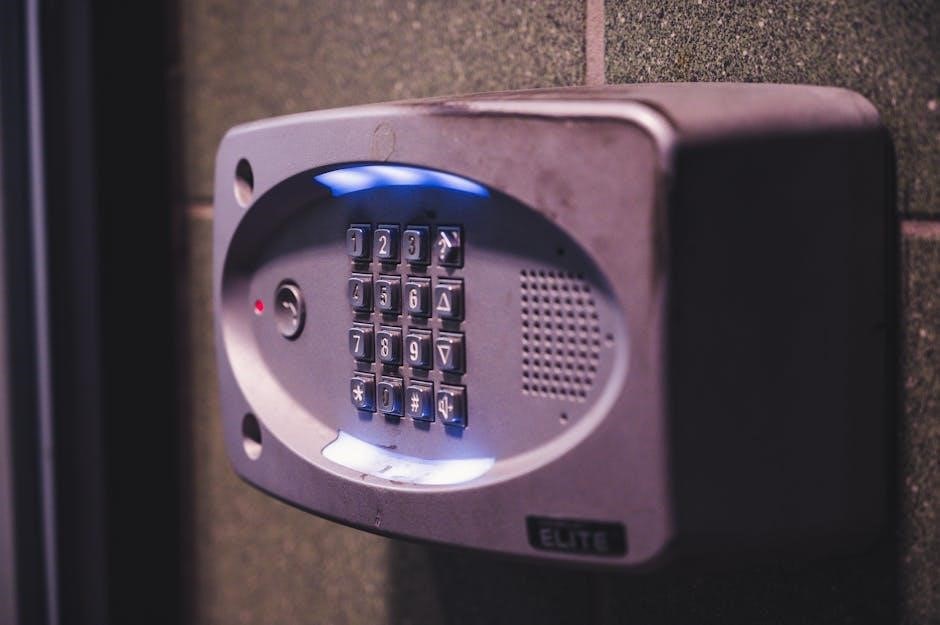
Samsung Smart Door Locks boast a range of innovative features designed for modern living. A prominent touch-sensitive number display pad allows for keyless entry, complemented by an optional 13.56MHz card reader for added convenience. Security is paramount, with support for up to 100 unique user codes and access cards.
Integration with Samsung SmartThings unlocks remote control and monitoring capabilities, enabling you to manage access from anywhere. Receive instant notifications regarding lock activity, enhancing your home’s security posture. The locks also offer temporary user code options, ideal for guests or service providers. Explore the detailed instructions within this manual to fully leverage these powerful features.
Installation Process
Proper installation ensures optimal performance and security. This section guides you through door preparation, lock body assembly, and exterior component attachment for a seamless fit.
Door Preparation & Compatibility
Before beginning installation, verify your door’s compatibility. Samsung smart door locks generally support door thicknesses ranging from 1-3/8 to 2-5/32 inches (35 to 55mm). Utilize the provided lock template to meticulously check for any obstructions – such as existing strike plates or door frames – that might hinder proper installation.
Carefully determine the door’s hand orientation; whether it requires a left-handed or right-handed deadbolt installation. Ensure the door surface is clean and free of debris. Review the included documentation for specific model compatibility details and any necessary adjustments. Incorrect preparation can lead to malfunctions, so precision is key for a secure and functional smart lock system.
Lock Body Installation
Begin by aligning the lock body with the prepared door opening, ensuring correct orientation based on your door’s hand. Secure the lock body using the provided screws, tightening them firmly but avoiding over-tightening which could damage the door or lock mechanism.
Double-check the alignment of the deadbolt with the corresponding hole in the strike plate location. Confirm the interior assembly will connect smoothly. Refer to the detailed diagrams in the manual for precise screw placement and torque specifications. A properly installed lock body is crucial for the overall security and functionality of your Samsung smart door lock system. Take your time and verify each step.
Interior Assembly Installation
Carefully connect the interior assembly to the installed lock body, ensuring all wires and connectors are securely attached. Gently push the assembly into place, listening for a click that confirms proper engagement. Secure the interior assembly with the provided screws, again avoiding over-tightening.
Verify the keypad and any internal components are functioning correctly before proceeding. The touch-sensitive number display should illuminate and respond to touch. Refer to the manual’s illustrations for correct wiring diagrams and component placement. A secure and properly connected interior assembly is vital for the lock’s operational integrity and user interface.
Exterior Assembly Installation
Align the exterior assembly with the lock body, carefully guiding the spindle through the corresponding hole. Ensure the alignment is precise to prevent binding or damage during installation. Secure the exterior assembly using the provided screws, tightening them gradually and evenly. Avoid over-tightening, which could strip the screw holes or damage the lock mechanism.
Once secured, test the exterior keypad and handle functionality. Verify the deadbolt extends and retracts smoothly. Double-check all connections and ensure a snug fit between the exterior and interior assemblies. A properly installed exterior assembly is crucial for security and weather resistance.

User Code Management
Manage access by adding, deleting, or creating temporary user codes – up to 100 users can be registered with unique PINs or access cards.
Adding New User Codes
To add a new user code, first ensure the lock is in programming mode, typically accessed through the interior keypad. Navigate to the user management section within the lock’s settings – consult your specific model’s manual for precise button sequences. You’ll be prompted to enter a new PIN code, usually between four and eight digits.
Confirm the code by re-entering it to avoid errors. The system will then assign this code to a specific user. Remember that each user can have a unique code for enhanced security and tracking. Some models allow assigning names or labels to each user code for easier management.
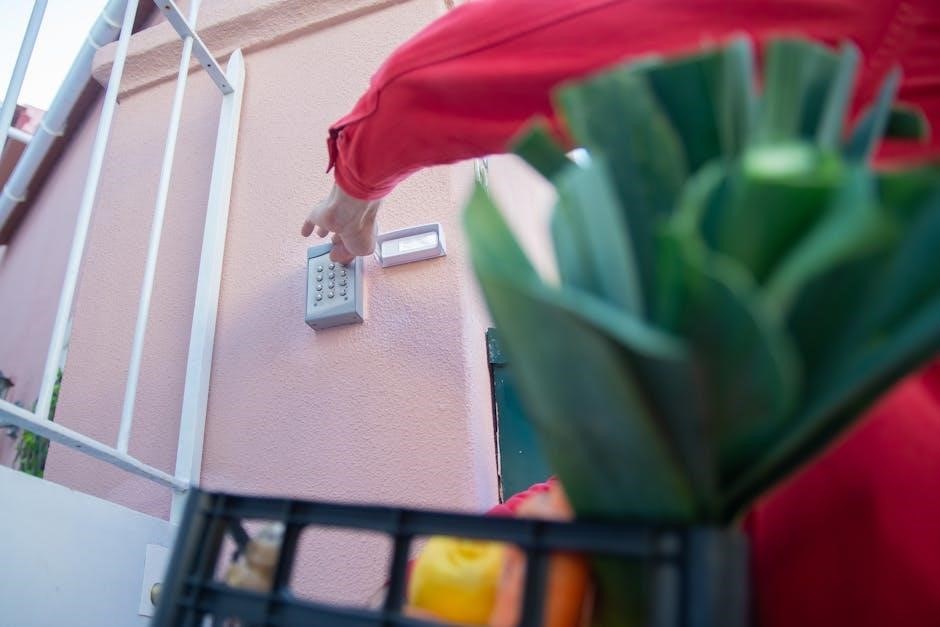
Always test the newly added code to ensure it functions correctly before relying on it for access.
Deleting User Codes
Removing a user code is crucial for security when access needs to be revoked. Access the user management section on the interior keypad, similar to adding a code, but select the ‘delete’ or ‘remove user’ option. You’ll likely be prompted to enter the user code you wish to delete, or a master code for verification.
Confirm the deletion when prompted; the system will then remove the code from its memory. Ensure the deleted code no longer grants access to the door. Some models allow bulk deletion of codes, or deleting all user codes except the master code.
Regularly review and delete unused codes to maintain optimal security and prevent unauthorized entry.
Temporary User Codes
Temporary user codes offer enhanced security for visitors or service personnel, granting access for a limited time. Through the lock’s interface, you can program a code with a specific start and end date, or a number of uses. Once the time expires or the usage limit is reached, the code automatically becomes inactive.
This feature eliminates the need to manually delete codes after temporary access is no longer required, improving convenience and security. Access the ‘temporary code’ option within the user management settings on the interior keypad.
Carefully set the expiration parameters to ensure appropriate access duration.
Access Card Management
Registering and deleting access cards is straightforward via the lock’s interface, supporting ISO14443A type cards for convenient, keyless entry to your home.
Registering Access Cards
To register an access card, begin by ensuring the lock is in registration mode, typically accessed through the internal menu system. The manual provides specific button sequences for initiating this process. Once in registration mode, present the access card to the card reader located on the exterior of the lock.
A successful registration is usually confirmed with an audible beep and a visual indicator on the keypad. You can register up to 100 user codes or access cards, offering flexible access control. Remember to test the newly registered card to verify functionality. Refer to your specific model’s manual for detailed steps, as procedures may slightly vary. Properly registered cards provide a convenient and secure alternative to traditional keys.
Deleting Access Cards
Removing registered access cards is crucial for security when cards are lost or access needs to be revoked. Access the lock’s internal menu, navigating to the ‘Delete Card’ or ‘Card Management’ section – consult your model’s manual for precise steps. You’ll likely need to enter a master code for authorization.
Present the card you wish to delete to the card reader when prompted by the system. A confirmation message, often an audible beep and visual display, will indicate successful deletion. Always verify the card is no longer functional after deletion. Maintaining accurate card registration ensures only authorized individuals gain entry. Regularly review and update registered cards for optimal security.
Smart Features & Connectivity
Unlock remote access and monitoring via Samsung SmartThings integration, receiving real-time notifications and alerts for enhanced home security and convenience.
Samsung SmartThings Integration
Seamlessly connect your Samsung Smart Door Lock to the Samsung SmartThings ecosystem for a truly integrated smart home experience. This integration allows for remote control of your lock from anywhere with an internet connection, using the SmartThings app on your smartphone or tablet. You can easily lock or unlock the door, grant access to guests, and monitor lock activity in real-time.
Furthermore, SmartThings enables the creation of automated routines. For example, you can set the lock to automatically lock at a specific time each night, or unlock when a designated family member arrives home. The integration also supports voice control through compatible smart speakers, offering hands-free operation. Enjoy enhanced security and convenience with the power of SmartThings!
Remote Control & Monitoring
Enjoy the convenience of controlling and monitoring your Samsung Smart Door Lock remotely through a compatible smartphone application. This feature allows you to lock or unlock your door from anywhere with an internet connection, providing peace of mind whether you’re at work or on vacation. The app provides real-time status updates, letting you instantly check if your door is locked or unlocked.
Beyond basic control, remote monitoring offers valuable insights into access activity. You can view a history of lock and unlock events, identifying who entered or exited your home and when. This feature enhances security and allows you to quickly detect any unauthorized access attempts. Stay connected and in control, no matter where you are!
Notifications & Alerts
Stay informed with real-time notifications and alerts from your Samsung Smart Door Lock, delivered directly to your smartphone. Configure customized alerts to receive instant notifications for various events, such as when the door is locked or unlocked, or if an unauthorized access attempt is detected. This proactive approach enhances your home security and provides immediate awareness of activity.
The system offers a range of alert options, including low battery warnings, ensuring you’re never caught off guard. You can also set up alerts for specific user codes, allowing you to track family members’ comings and goings. Customize your notification preferences to receive only the alerts that matter most to you, maintaining a secure and informed home environment.
Troubleshooting Common Issues
Resolve typical problems like unresponsive locks, incorrect PIN errors, and connectivity issues with our guide, ensuring seamless operation and continued security for your smart lock.
Lock Not Responding
If your Samsung Smart Door Lock isn’t responding, begin by verifying the battery level. Low batteries are a frequent cause of operational issues. Replace them with fresh, high-quality batteries as a first step.
Next, ensure the lock hasn’t entered a security lockdown mode due to multiple incorrect PIN attempts. Refer to your manual for instructions on resetting the lock if this has occurred.
Check for any physical obstructions preventing the lock mechanism from functioning correctly. Finally, attempt a manual reset by briefly disconnecting the battery power, then reconnecting it. If the problem persists, consult Samsung’s support resources or a qualified locksmith for further assistance.
Incorrect PIN Error
Encountering an “Incorrect PIN” error on your Samsung Smart Door Lock typically indicates multiple failed attempts. The system implements a security feature to prevent unauthorized access after a set number of incorrect entries.
First, double-check the PIN code you are entering, ensuring accuracy. Remember that PIN codes are case-sensitive. If you’ve forgotten your PIN, you’ll need to utilize the master code (if previously set) or follow the factory reset procedure outlined in the manual.
Be aware that repeated incorrect attempts may temporarily lock the keypad. Allow a short period before attempting to enter the PIN again. If issues persist, contact Samsung support for assistance with PIN recovery or system troubleshooting.
Connectivity Problems
Experiencing connectivity issues with your Samsung Smart Door Lock can disrupt remote access and monitoring features. Ensure your home Wi-Fi network is functioning correctly and that the lock is within range of the router. Verify the lock is properly paired with the Samsung SmartThings hub or compatible smart home system.
Check the SmartThings app for firmware updates for both the hub and the lock; outdated software can cause connectivity problems. Restarting both the lock and the hub can often resolve temporary glitches. If problems continue, try re-pairing the lock with the hub, following the instructions in the manual.
Confirm your internet service provider isn’t experiencing outages. Contact Samsung support if the issue persists after these steps.

Maintenance & Care
Regular battery replacement and gentle cleaning are crucial for maintaining your Samsung Smart Door Lock’s functionality and longevity, ensuring consistent performance.
Battery Replacement
Your Samsung Smart Door Lock requires batteries for operation. A low battery warning will appear, typically as an audible signal and/or a notification via the SmartThings app. It’s crucial to replace the batteries promptly to avoid lockouts. Use only the recommended battery type – typically AA alkaline batteries – as specified in your model’s documentation.
To replace, locate the battery compartment, usually on the interior assembly. Remove the cover and replace all batteries simultaneously with fresh ones, even if only some appear depleted. Incorrect battery installation can cause malfunctions. After replacement, test the lock functionality using a registered user code or access card. Ensure the battery compartment cover is securely closed to protect against the elements.

Cleaning Instructions
Maintaining your Samsung Smart Door Lock’s appearance and functionality requires regular cleaning. Use a soft, dry cloth to wipe down the exterior and interior assemblies. Avoid abrasive cleaners, solvents, or excessive moisture, as these can damage the finish or internal components. For stubborn smudges, lightly dampen the cloth with water and gently wipe the surface, ensuring it’s thoroughly dried afterward.
Pay particular attention to the keypad, ensuring no debris obstructs the touch sensors. Regularly inspect the access card reader for dust or dirt. Do not use spray cleaners directly onto the lock; instead, spray onto the cloth first. Avoid immersing any part of the lock in water. Consistent, gentle cleaning will prolong the life and performance of your smart door lock.
Safety Precautions
Prioritize safety during installation and operation of your Samsung Smart Door Lock. Always disconnect the battery before performing any maintenance or disassembly. Keep small parts, like screws, away from children to prevent choking hazards. Avoid forceful manipulation of the lock mechanism, as this could cause damage or malfunction.
Never attempt to repair the lock yourself; contact a qualified technician for assistance. Be mindful of the door’s closing mechanism to prevent accidental entrapment. Regularly check the battery level to ensure reliable operation. Familiarize yourself with emergency access procedures in case of lock failure. This device is intended for residential use only; improper installation voids the warranty.