The 2012 Jeep Grand Cherokee Owners Manual offers comprehensive guidance for owners, covering vehicle features, safety information, maintenance schedules, and troubleshooting tips. This manual serves as your primary reference to maximize performance, reliability, and enjoyment. Enjoy adventure.!!
1.1 Purpose and Scope
The 2012 Jeep Grand Cherokee Owners Manual is crafted to equip owners, drivers, and maintenance personnel with essential knowledge for safe, efficient, and reliable operation of the vehicle. It offers detailed instructions on daily use, routine maintenance, and troubleshooting, while ensuring compliance with safety regulations and preserving optimal performance throughout the vehicle’s life.
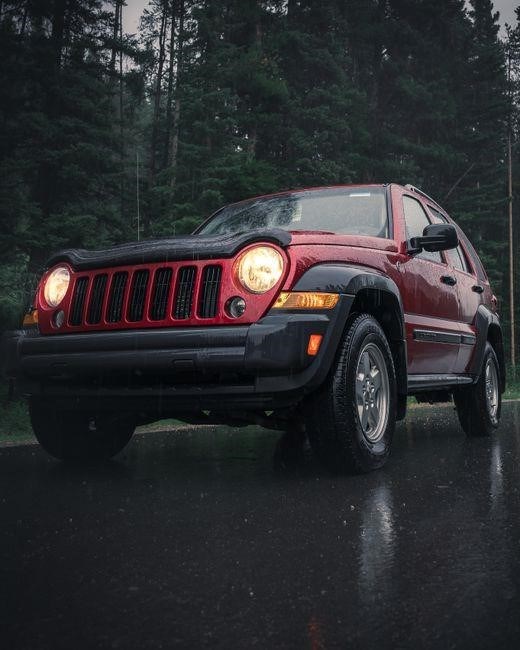
Scope covers the 2012 model’s engine, transmission, suspension, electrical, and interior systems, including optional equipment and accessories. Environmental considerations, fuel‑efficiency guidelines, and warranty coverage are also addressed. The manual is intended for owners, mechanics, and dealership service staff, providing clear, step‑by‑step guidance that emphasizes safety and proper care.
Additionally, the manual outlines owner responsibilities regarding documentation, registration, and insurance, stressing adherence to the manufacturer’s recommended service intervals. It highlights the benefits of using genuine parts and authorized service centers to maintain vehicle integrity and warranty validity. By following these guidelines, owners can extend the Grand Cherokee’s lifespan, reduce maintenance costs, and enjoy a safer driving experience.
The manual’s organization facilitates quick reference: a table of contents, index, and glossary enable easy navigation. Each section is labeled with clear headings and subheadings, and diagrams illustrate component locations and wiring schematics; Concise language and illustrative images make complex information accessible to all readers, regardless of technical background.
Furthermore, safety warnings, cautions, and recommended practices are included to prevent injury and damage. The manual stresses the importance of reading the entire document before operating the vehicle, especially for first‑time owners. Available in printed and digital formats, it ensures convenient access at home or on the go.
1.2 How to Use This Manual
To maximize the benefits of the 2012 Jeep Grand Cherokee Owners Manual, begin familiarizing yourself with its structure. The front covers the cover, copyright, and a quick‑start guide. The table of contents lists all sections, while the index at the back allows you to locate specific topics instantly. Each chapter begins with a clear heading, followed by concise explanations, diagrams, and safety warnings. Use the color‑coded icons to identify warnings, cautions, and informational notes. When you need to find a particular feature—such as the infotainment system or the power‑train maintenance schedule—search the index for the keyword and note the page number. For routine tasks, follow the step‑by‑step instructions in the maintenance section, ensuring you use the correct tools and parts. If you encounter a problem, consult the troubleshooting guide, which lists symptoms, causes, and recommended actions. Keep the manual in a dry, easily accessible location, and update it with any service bulletins or recall notices you receive. By following these guidelines, you’ll maintain your vehicle’s performance, safety, and longevity while enjoying the full range of features the Grand Cherokee offers. Remember to review the sheet, keep a key, a copy in the glove compartment. Manual explains how to adjust suspension settings for driving conditions, ensuring handling comfort. Follow guidelines for best results.

Vehicle Overview
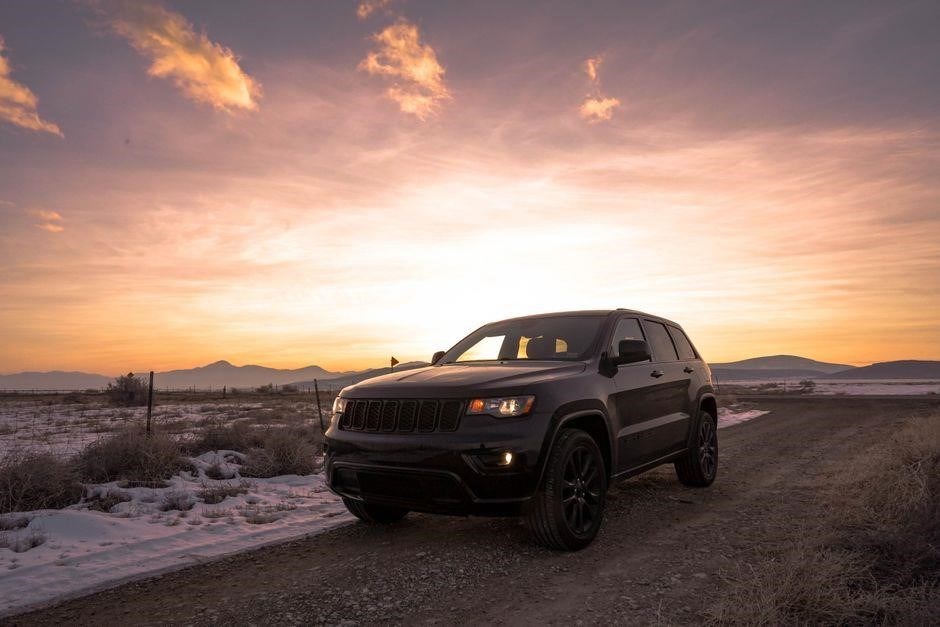
The 2012 Jeep Grand Cherokee blends rugged capability with refined comfort. Its bold exterior features a distinctive grille, LED lighting, and a spacious cabin equipped with premium materials. Inside, advanced infotainment, climate control, and safety tech enhance every drive. Enjoy the journey.
2.1 Exterior Features and Controls
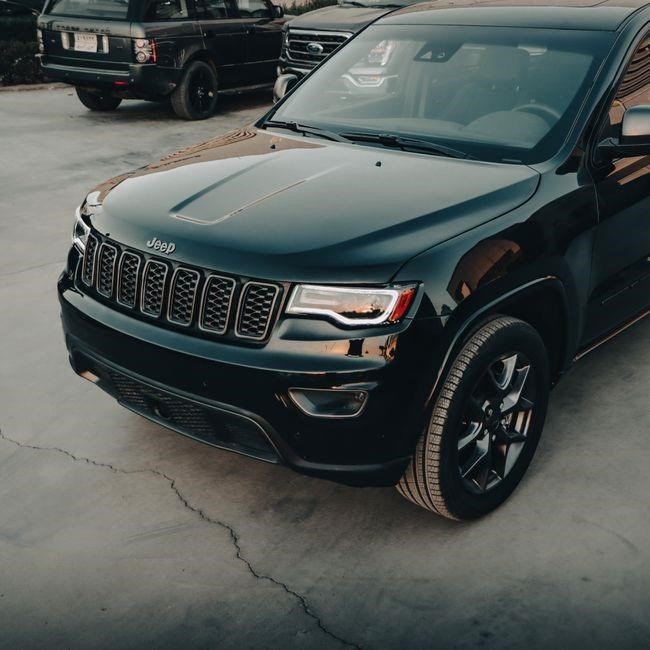
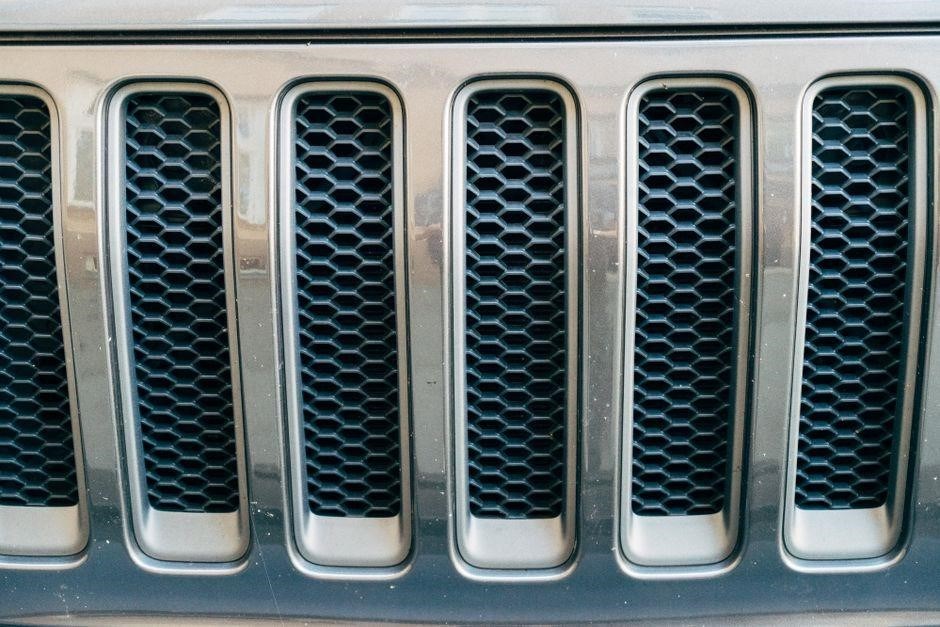
The 2012 Jeep Grand Cherokee’s exterior also features a hood scoop, a chrome‑trimmed grille, and a rear spoiler that enhances airflow, while the integrated rear‑view camera and LED fog lamps add safety andconvenience for journey daily! .
2.2 Interior Features and Controls
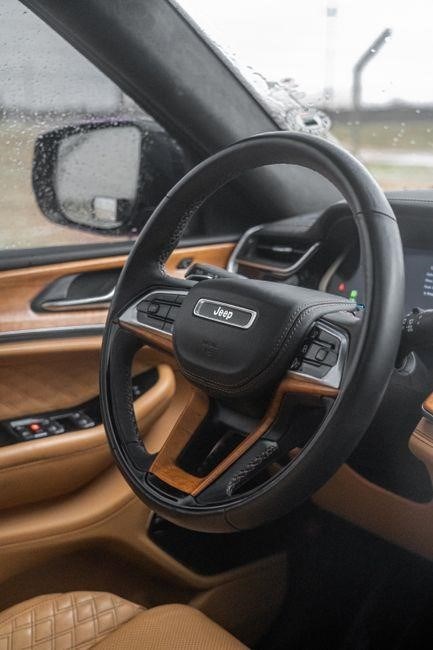
The 2012 Jeep Grand Cherokee interior blends rugged durability with refined comfort. The cabin features premium upholstery options, including leather and suede, and a dual‑zone climate control system that allows the driver and front passenger to set individual temperatures. A 7‑inch touchscreen infotainment system, integrated with a 6‑speaker audio setup, offers navigation, Bluetooth connectivity, and a USB port for media playback. The steering wheel is equipped with multifunction controls for audio, cruise control, and voice command. A power‑folding third‑row seat provides additional cargo space when needed. The vehicle’s head‑up display projects key information onto the windshield, reducing the need to look away from the road. Ambient lighting options create a customizable atmosphere, while the rear‑view camera assists in parking. The instrument cluster includes a digital gauge cluster, a 10‑inch color display, and a 12‑speed automatic transmission selector. Safety features such as blind‑spot monitoring, lane‑departure warning, and adaptive cruise control are integrated into the interior controls. The 2012 Grand Cherokee also offers a premium sound system with a subwoofer, a 12‑speaker audio package, and a 3‑way audio system for the rear seats. All controls are designed for ergonomic placement, ensuring ease of use while maintaining a clean, uncluttered dashboard layout. The interior is finished with high‑quality trim pieces, soft‑touch surfaces, and a range of color options to match personal style. The cabin’s design prioritizes driver comfort, advanced technology, and functional storage solutions, making every journey both enjoyable and practical. Enjoy every drive with confidence, style, for journeys all!
Operating the Vehicle
Operating the 2012 Jeep Grand Cherokee involves mastering the start/stop system, selecting drive modes, and understanding transmission settings. Follow the manual’s safety guidelines, use the adaptive cruise control, and monitor fluid levels for optimal performance. Check tire pressure now
3.1 Starting and Stopping
Before starting, ensure the vehicle is in Park or Neutral and the brake pedal is depressed. The 2012 Jeep Grand Cherokee uses a start that requires a key fob signal; a low fob battery will trigger a warning light and prevent ignition. To start, press the brake, push the start button, and crank the engine. After the engine runs, release the button and allow idle before shifting into Drive or Reverse. If the engine stalls, check for lights and refer to the troubleshooting guide. When stopping, apply the brake and bring the vehicle to a complete stop. Shift the transmission into Park, engage the parking brake, and turn off the engine by pressing the start button again. For manual‑shift models, disengage the clutch before shifting into Park. Always verify the vehicle is fully stopped before turning off the engine to avoid unintended movement. The manual also explains the “Stop‑Start” feature available in some trims, which shuts off the engine during idling and restarts when the brake is released, saving fuel and reducing emissions! If you encounter irregularities during starting or stopping, consult the diagnostic codes and recommended actions. Maintaining battery health, keeping the fob charged, and ensuring the ignition system is clean promote reliable operation. Keep the engine compartment free of debris and inspect battery terminals for corrosion. Proper starting and stopping practices extend engine and drivetrain life, ensuring a safe and efficient driving experience for years to come! Enjoy the Grand Cherokee’s rugged capability!!
3.2 Driving Modes and Transmission Settings
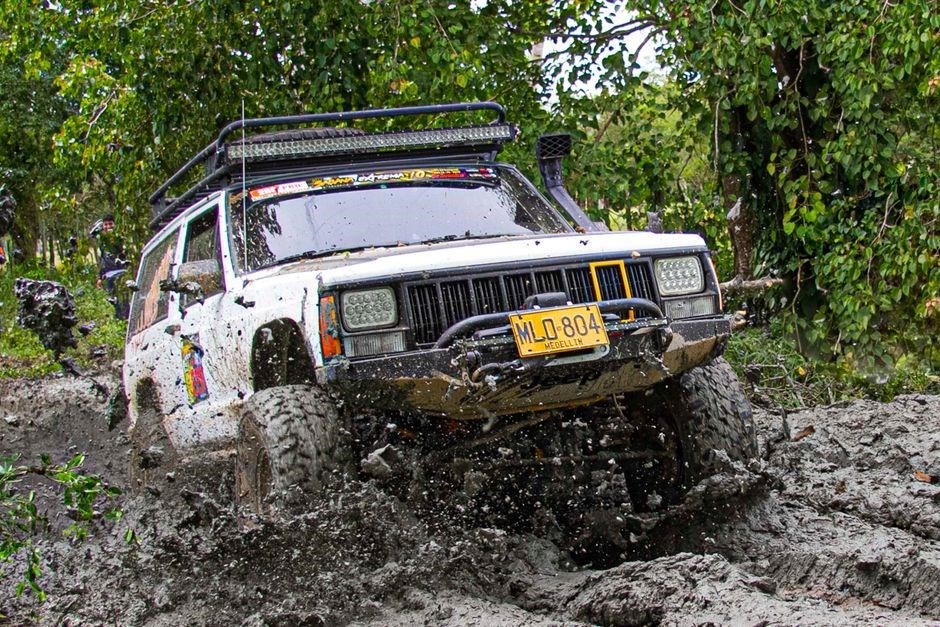
The 2012 Jeep Grand Cherokee offers selectable driving modes—Standard, Sport, and Off‑Road—to tailor power delivery and suspension behavior. In Standard, the transmission shifts smoothly for everyday driving, prioritizing fuel economy. Sport mode tightens shift points, increases throttle response, and lowers the air‑ride suspension for a more dynamic feel. Off‑Road mode activates the low‑range transfer case, adjusts the throttle map for maximum torque, and raises the air‑ride height to improve ground clearance. The automatic transmission automatically selects the appropriate gear based on speed, throttle input, and selected mode, but drivers can manually override by using the shift lever or paddle shifters. When in Off‑Road mode, the vehicle’s hill‑start assist and traction control settings are optimized for uneven terrain. To switch modes, press the mode selector button on the center console; a display indicator confirms the current setting. For manual‑shift models, the driver can use the transmission range selector to choose gears, but the vehicle’s electronic control unit still manages shift timing for efficiency. Always consult the owner’s manual for specific torque specifications and recommended maintenance intervals related to transmission operation. Proper use of driving modes enhances performance, protects drivetrain components, and ensures a safe driving experience across diverse road conditions. Enjoy the versatility and capability of the Grand Cherokee! The transmission’s adaptive learning feature records driver behavior and refines shift patterns over time, improving responsiveness. If you notice sluggish shifts, consult the service manual for reset procedures. Proper use of modes and learning ensures optimal performance and longevity. Enjoy the ride, stay safe!!
Maintenance and Care
Follow the 2012 Grand Cherokee schedule: oil every 5,000 miles, inspect brakes, tires, and fluid levels monthly. Replace filters, check coolant, and keep battery clean. Adhere to service intervals for longevity and safety. Use a log to track maintenance and keep records
4.1 Routine Maintenance Schedule
Regular maintenance keeps your 2012 Grand Cherokee running smoothly and protects its value. The following schedule addresses the most critical systems and components. Follow it closely, and consult your dealer for any additional service that may be required by local regulations or specific driving conditions.
- Every 5,000 miles (or 6 months, whichever comes first): Change engine oil and replace the oil filter. Inspect the engine bay for leaks, check the condition of belts and hoses, and ensure the battery terminals are clean and tight.
- Every 10,000 miles (or 12 months): Replace the engine air filter, inspect the cabin air filter, and check tire pressure and tread depth. Rotate tires to promote even wear, and inspect wheel bearings for play or noise.
- Every 15,000 miles (or 18 months): Inspect the brake system, including pads, rotors, and calipers. Replace brake fluid if it appears cloudy or has absorbed moisture. Test the ABS system for proper operation.
- Every 30,000 miles (or 36 months): Flush and replace the coolant, inspect the radiator and hoses for cracks or leaks, and check the heater core. Replace the transmission fluid if your model is equipped with a manual or automatic transmission that requires it.
- Every 60,000 miles (or 72 months): Replace the spark plugs, inspect the timing belt or chain, and service the power steering fluid. Perform a comprehensive inspection of the suspension components, including shocks, struts, and bushings.
- Every 100,000 miles (or 120 months): Conduct a full vehicle inspection, including the exhaust system, differential, and transfer case. Replace any worn or damaged parts, and update the vehicle’s software if a new update is available.
In addition to the mileage‑based schedule, perform the following checks at each service interval: verify all fluid levels (engine oil, brake fluid, coolant, power steering, and transmission), inspect the battery for corrosion, and test all lights and signals. Keep a maintenance log to track service dates and mileage, and always use OEM or approved parts to maintain warranty coverage.
Seasonal considerations can affect maintenance needs. In winter, use winter tires and check the antifreeze concentration to prevent freezing. In hot climates, monitor engine temperature more closely and consider a coolant additive to improve heat transfer. After long trips, inspect the suspension for any signs of wear and replace any worn bushings promptly.
Maintain a detailed service record, noting mileage, dates, and parts replaced. This documentation not only helps you stay on schedule but also provides valuable information should you sell the vehicle. Adhering to this routine maintenance schedule will help ensure your Grand Cherokee remains reliable, safe, and ready for any adventure. Use OEM parts for best performance and longevity.
4.2 Fluid Levels and Changes
Keeping fluid levels within the specified ranges is essential for engine performance, braking, and overall vehicle health. The 2012 Grand Cherokee uses the following fluids:
- Engine oil: 5W‑30 SAE (or 5W‑40 for high‑performance models). Check at idle and when the engine is warm.
- Coolant: 50/50 mix of ethylene glycol and distilled water, or use the factory‑approved blend. Inspect the radiator, heater core, and coolant reservoir.
- Brake fluid: DOT 4 (or DOT 5.1 if specified). Replace every 24 months or 30,000 miles.
- Power steering fluid: Check the reservoir and top up with the recommended fluid.
- Transmission fluid: Automatic – change every 30,000 miles; manual – inspect and replace as needed.
- Transfer case fluid: Replace every 60,000 miles or as required by the service schedule.
Procedure for checking and topping off:
- Park on level ground, allow the engine to cool.
- Open the hood, locate the fluid reservoirs, and remove the caps.
- Use a dipstick or sight glass to gauge the level. Add fluid in small increments, checking after each addition.
- Replace caps securely and wipe any spills.
Always use the OEM fluid specifications listed in the service manual. Using incorrect viscosity or additive can lead to premature wear or failure. When topping off, avoid overfilling; excess fluid can cause foaming and reduce cooling efficiency. After each fluid change, drive the vehicle for a few minutes to circulate the new fluid and check for any abnormal noises or warning lights.
In extreme temperatures, monitor fluid levels more frequently. During hot weather, the coolant level may drop due to evaporation; in cold climates, the engine oil may thicken, so check after the engine has warmed up. Keep a spare bottle of each fluid in the trunk for emergency top‑ups.
Record each fluid change in a maintenance log, noting the date, mileage, and any observations. This log helps in warranty claims and resale value. If you notice a sudden drop in fluid level, inspect for leaks, and consult a qualified technician promptly.
Adhering to these fluid maintenance guidelines ensures optimal performance, safety, and longevity of your 2012 Grand Cherokee. Follow these steps to keep your vehicle reliable!!
Troubleshooting and Warranty Information
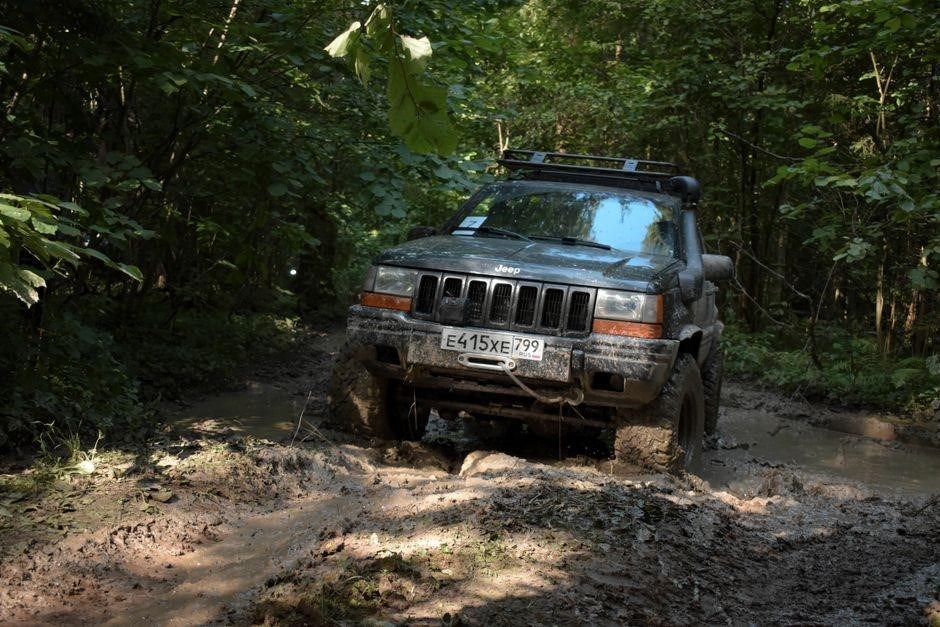
Use the troubleshooting guide to diagnose common issues: check warning lights, listen for unusual noises, and verify fluid levels. For warranty claims, keep service records, report problems promptly, and visit an authorized dealer. Warranty covers defects for 3 years or 36,000 miles. Support Help
5.1 Common Issues and Fixes
This section lists frequent problems in the 2012 Jeep Grand Cherokee and offers quick troubleshooting steps and fixes.
- Check Engine Light: Scan with an OBD‑II reader. Codes like P0300 or P0171 clear after cleaning spark‑plug replacement.
- Transmission Shifts: Low fluid or worn clutch causes hard shifts. Check fluid; replace if dark.
- A/C Not Cooling: Low refrigerant or faulty compressor. Recharge R134a; replace compressor if clutch won’t engage.
- Steering Noise: Humming indicates low fluid or worn bearing. Top up fluid; replace pump if noise persists.
- Brake Squeal: Worn pads cause squeal. Replace pads when indicator shows wear; clean rotors if noise continues.
- Battery Drain: Stuck relay or faulty switch draws current. Use multimeter to locate the circuit; replace component.
- Infotainment Freeze: Overheating or corrupted software freezes display. Perform soft reset; update firmware via dealer if recurs.
- Exhaust Rattle: Leak indicates a rattle. Inspect the manifold and catalytic converter; replace any cracked sections properly.
- Fluid Leak: Puddle under vehicle signals a leak. Check the pan gasket; replace it if damaged properly.
- Warranty Claim: Keep receipts and visit authorized dealer. Dealer verifies coverage using the VIN and processes claim.
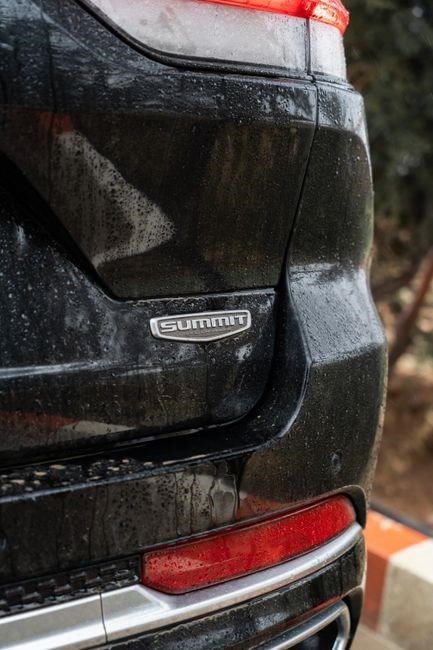
These quick fixes can resolve many issues and reduce service visits. Persistent problems should be checked by a certified Jeep technician.
For any issue not covered here, consult the vehicle’s service manual or contact a Jeep dealer for professional assistance. Regular maintenance and prompt attention to warning signs help keep your Grand Cherokee safe and reliable on every journey.
Remember to keep your vehicle’s VIN and registration information handy for warranty verification and recall notices. Staying informed ensures you receive timely service and maintain the vehicle’s resale value!!!
5.2 Warranty Coverage and Service Center Details
The 2012 Jeep Grand Cherokee comes with a comprehensive warranty that protects the vehicle for a specified period or mileage. The new vehicle warranty covers the powertrain, drivetrain, and critical components, while the bumper‑to‑bumper warranty covers body, interior, and systems. The warranty includes coverage for manufacturing defects, parts, and labor; The warranty period is typically five years or 60,000 miles, whichever comes first, for most components. The powertrain warranty extends to seven years or 100,000 miles. The extended warranty options are available for an additional cost and can be purchased through a Jeep dealer. The warranty also covers roadside assistance for up to 12 years, with unlimited mileage. Service centers must be authorized Jeep dealerships that meet the manufacturer’s training and equipment standards. All repairs performed at an authorized service center will preserve the warranty. If a repair is performed at a non‑authorized shop, the warranty may be voided. To schedule a service appointment, call your local Jeep dealer or use the online scheduling tool on the official Jeep website. The dealer will verify your VIN, confirm coverage, and provide a service estimate. All warranty claims are processed through the dealer’s service department, and the dealer will coordinate with the manufacturer’s parts distribution center to ensure the correct parts are used. The warranty also includes a free vehicle inspection at the end of the warranty period to verify that all covered components are in proper working order. If a covered defect is found, the dealer will repair or replace the part at no cost to the owner. The warranty also includes a 24‑hour toll‑free customer service line that can answer questions about coverage, repairs, or service appointments. For more detailed information, refer to the warranty booklet included with the vehicle or contact your local Jeep dealer for assistance.
The warranty also includes coverage for the vehicle’s electronic control modules, as well as the air conditioning system, power windows, and power seats. If the vehicle is involved in an accident that does not involve a covered defect, the warranty does not cover the damage. The warranty does not cover wear and tear items such as tires, brake pads, or routine maintenance services. The dealer will provide a written estimate before any non‑warranty work is performed. The warranty is transferable to a new owner if the vehicle is sold before the warranty expires. The transfer process requires a signed transfer form and the original warranty booklet. The dealer will update the warranty record in the manufacturer’s database. The warranty also covers the vehicle’s navigation system, if equipped, and any factory-installed accessories. The warranty does not cover modifications made by the owner that affect the vehicle’s performance or safety. All warranty terms are subject to change without notice.