Overview of SIBO and Its Dietary Impact
SIBO arises when excess bacteria colonize the small intestine‚ disrupting digestion. Diet plays a pivotal role: high fermentable foods fuel overgrowth‚ while low‑FODMAP options reduce symptoms. Tailored eating plans help restore balance and ease bloating‚ gas‚ and pain. Patients find relief with a plan.
What Is SIBO?
Small intestinal bacterial overgrowth (SIBO) is a condition in which the small intestine harbors an abnormally high density of bacteria‚ typically exceeding 10⁶ colony‑forming units per milliliter. In a healthy gut‚ the small intestine contains relatively few microbes‚ allowing efficient nutrient absorption and minimal fermentation. When bacterial populations surge‚ they compete with the host for nutrients‚ produce excess gas‚ and alter the intestinal environment. The result is a spectrum of digestive disturbances‚ ranging from mild bloating to severe malabsorption and weight loss. SIBO can arise from motility disorders‚ anatomical abnormalities‚ or impaired immune defenses‚ and it often coexists with other functional gut disorders such as irritable bowel syndrome. Diagnosis requires objective evidence of bacterial overgrowth‚ usually through breath testing or direct fluid sampling. Management typically involves targeted antibiotics‚ dietary modification‚ and correction of underlying motility or structural issues.
SIBO can be classified into types based on predominant bacteria‚ such as gram‑positive or gram‑negative‚ and is often linked to conditions like Crohn’s disease‚ celiac disease‚ or anatomy. The overgrowth interferes with nutrient absorption‚ causing deficiencies in fat‑soluble vitamins and iron‚ and can lead to chronic malnutrition. It may also alter gut motility‚ creating a vicious cycle of stasis and bacterial proliferation.
Patients often experience fatigue appetite‚ which further exacerbate the condition!
How Diet Influences Bacterial Overgrowth
Dietary patterns directly shape the microbial milieu of the small intestine. Foods rich in fermentable carbohydrates—such as fructose‚ lactose‚ and certain oligosaccharides—provide substrates that rapidly ferment by resident bacteria‚ producing gases and short‑chain fatty acids that can stimulate motility or‚ paradoxically‚ create a stagnant environment conducive to overgrowth. Large meals. Intermittent fasting or spaced meals may enhance transit time‚ limiting bacterial residence. Additionally‚ certain proteins and fats can alter the gut pH and mucosal barrier‚ influencing bacterial adhesion; Therefore‚ a balanced‚ individualized eating plan that minimizes fermentable substrates‚ promotes regular motility‚ and supports mucosal integrity is essential for managing bacterial overgrowth.
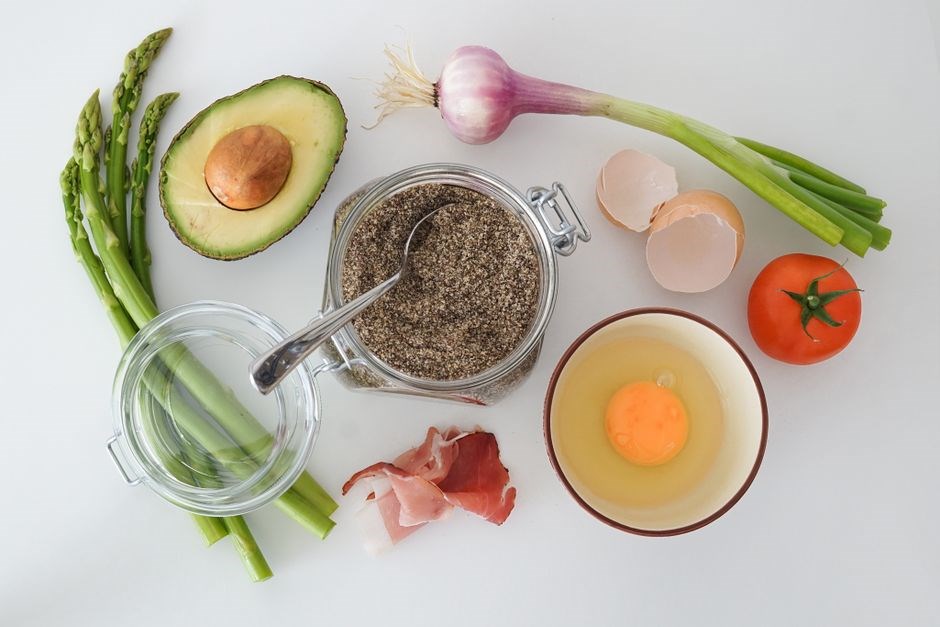
Clinical studies indicate that a strict low‑FODMAP regimen can reduce SIBO symptoms by up to 70% within weeks. However‚ long‑term adherence is challenging; patients often cycle between restrictive phases and re‑introduction of tolerated foods. Nutrient gaps‚ especially in fiber‚ can compromise gut barrier function‚ necessitating supplementation with soluble fibers that are less fermentable‚ such as psyllium husk. Moreover‚ the use of elemental or semi‑elemental formulas during antibiotic therapy can provide essential calories while limiting bacterial substrates. Hydration status also influences bacterial load; adequate fluid intake promotes peristalsis and dilution of bacterial populations.
Ongoing research continues to refine dietary protocols‚ aiming to balance symptom relief with nutritional adequacy while minimizing the risk of relapse!!
Identifying SIBO Symptoms
Common signs include bloating‚ abdominal pain‚ gas‚ diarrhea‚ and nausea. Persistent fatigue‚ weight loss‚ and food intolerances may also appear. Tracking these symptoms helps confirm SIBO and guide testing and dietary changes. Keeping a symptom diary improves diagnosis accuracy.now for better outcomes andus
Common Gastrointestinal Symptoms
Patients with small intestinal bacterial overgrowth often report a spectrum of digestive disturbances that can be subtle or severe. The most frequent complaints include persistent bloating that lingers after meals‚ sharp or cramp‑like abdominal pain that may shift location‚ and excessive gas that can be audible or visible; Diarrhea—sometimes alternating with constipation—occurs as the bacteria ferment carbohydrates‚ producing short‑chain fatty acids and hydrogen that irritate the mucosa. Nausea and an early feeling of fullness or satiety are common‚ especially after eating high‑carbohydrate or high‑FODMAP foods. Some individuals experience chronic reflux or heartburn‚ while others note a sour or bitter taste in the mouth. The combination of these symptoms can lead to significant weight loss‚ fatigue‚ and a reduced quality of life. Recognizing the pattern of bloating‚ pain‚ altered bowel habits‚ and nausea is essential for clinicians to suspect SIBO and recommend appropriate testing and dietary management.
Patients may also notice a persistent sense of abdominal fullness that does not resolve with normal bowel movements‚ leading to a feeling of tightness. Some report a metallic taste in the mouth or a sour aftertaste that lingers after eating. Others experience a sensation of abdominal distension that worsens after a meal‚ and many describe a chronic urge to move the bowels despite having no diarrhea. These overlapping signs often prompt patients to seek dietary help and medical care.

Diagnostic Tests and Confirmation
The hydrogen breath test measures gas after carbohydrate ingestion‚ while small intestinal aspiration fluid analysis directly samples bacterial counts. These tests confirm SIBO‚ guiding diet plans. Patients often undergo fasting before testing to improve accuracy.
Hydrogen Breath Test
The hydrogen breath test (HBT) is a non‑invasive tool for detecting small intestinal bacterial overgrowth (SIBO). It measures hydrogen (and sometimes methane) in exhaled air after the patient drinks a carbohydrate‚ usually lactulose or glucose. A sharp rise in hydrogen within 90 minutes signals bacterial fermentation of the substrate. The test is safe‚ with no radiation‚ and is often repeated if symptoms persist.
Patients fast 12 hours‚ avoid antibiotics and probiotics for two weeks‚ and stay away from high‑FODMAP foods for 48 hours before the test. Breath samples are taken at baseline and every 10–15 minutes for up to 120 minutes. A rise of >20 ppm above baseline within 90 minutes is considered diagnostic. The sample is analyzed by gas chromatography to quantify hydrogen and methane; Results are reported as ppm values over time.
- Glucose HBT: detects proximal SIBO; limited by rapid absorption.
- Lactulose HBT: covers the whole small intestine; may show double peaks.
- Methane measurement: identifies methane‑producing bacteria linked to constipation.
- Mixed carbohydrate HBT: uses glucose and lactulose to detect both proximal and distal overgrowth.
- Rapid transit HBT: identifies cases where quick movement leads to false positives.
Limitations include false negatives in low‑bacterial‑load cases and false positives from rapid transit. Despite these‚ HBT remains the most widely used‚ safe‚ and cost‑effective screening method. Discuss results with a clinician to tailor diet and therapy. Follow‑up testing confirms resolution.
Small Intestinal Aspiration Fluid Analysis
Small intestinal aspiration fluid analysis (SIAFA) is an invasive‚ gold‑standard diagnostic technique for SIBO. During upper endoscopy‚ a sterile catheter is advanced beyond the duodenum to collect luminal fluid. The sample is placed on ice and sent to a laboratory for quantitative bacterial culture and 16S rRNA sequencing. A colony‑forming unit (CFU) count exceeding 105 CFU/mL confirms bacterial overgrowth. The procedure offers precise localization: proximal‚mid‚or distal small intestine‚ depending on catheter placement. It also distinguishes aerobic from anaerobic species‚ guiding targeted antibiotic therapy. The sample is immediately placed on ice and sent to a laboratory for quantitative bacterial culture. The procedure offers precise localization and distinguishes aerobic from anaerobic species‚ guiding targeted antibiotic therapy. The procedure offers precise localization: proximal‚mid‚or distal small intestine. The sample is immediately placed on ice and sent to a laboratory for quantitative bacterial culture and 16S rRNA sequencing; The procedure offers precise localization: proximal‚mid‚or distal small intestine‚ depending on catheter placement.

Core Principles of a SIBO Diet
Core principles focus on low fermentable carbs‚ adequate protein‚ and healthy fats. Limit FODMAPs‚ avoid sugary drinks‚ and use probiotic‑friendly foods. Emphasize small‚ frequent meals‚ hydration‚ and gradual reintroduction of tolerated foods. Add kefir watch tolerance‚ stay hydrated‚ and try probiotics.
Low‑FODMAP Guidelines
Adopting a low‑FODMAP regimen requires systematic attention to ingredient selection‚ portion sizing‚ and meal timing. Begin by cataloguing foods that trigger fermentation and systematically eliminating them from the diet. Use a food diary to track symptoms after each meal‚ noting any bloating‚ gas‚ or discomfort. Portion control is essential; even low‑FODMAP foods can become problematic when consumed in large quantities. Aim for 2–3 servings per meal‚ spaced evenly throughout the day to avoid overwhelming the gut. Replace high‑FODMAP spices with their low‑FODMAP counterparts—such as using fresh herbs‚ ginger‚ or turmeric instead of garlic or onion powders. When cooking‚ choose methods that reduce gas production: steaming‚ poaching‚ or grilling are preferable to deep‑frying or sautéing in excess oil. Read labels carefully; many processed foods contain hidden high‑FODMAP additives like chicory root or inulin. Opt for plain‚ minimally processed items and prepare meals at home whenever possible. Hydration supports digestion; aim for 1.5–2 liters of water daily‚ but avoid carbonated drinks that can increase gas. Finally‚ consider a short‚ supervised probiotic trial to help rebalance intestinal flora‚ but only after consulting a healthcare professional. Consistency‚ patience‚ and meticulous record‑keeping are the cornerstones of successful low‑FODMAP management. Adhering to these guidelines over several weeks can markedly reduce symptoms‚ improve nutrient absorption‚ and restore normal digestive rhythms‚ ultimately enhancing overall well‑being and quality of life!!!
Foods to Avoid and Include
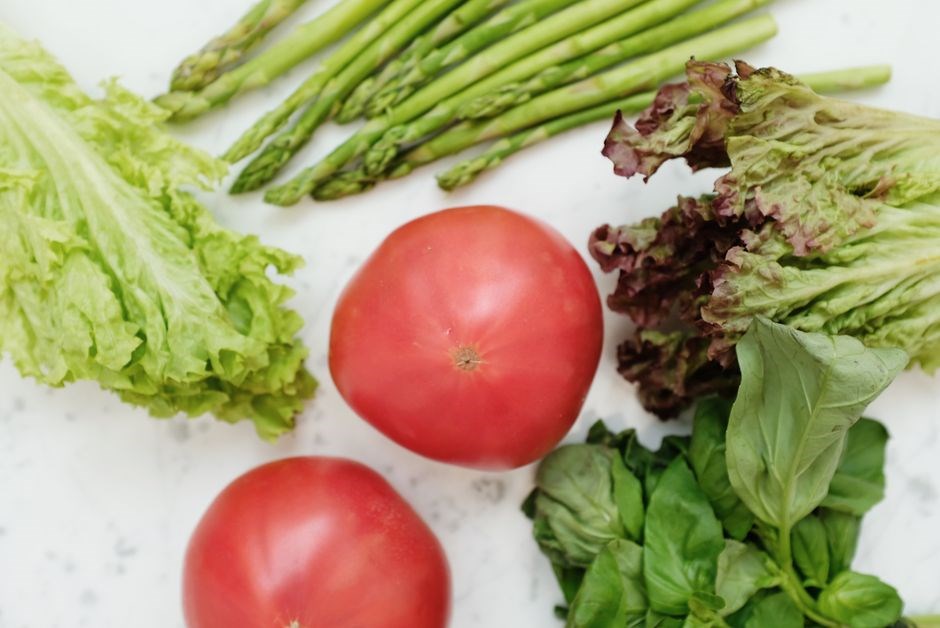
Exclude high‑FODMAP items like onions‚ garlic‚ wheat‚ and beans. Include low‑FODMAP staples: rice‚ oats‚ bananas‚ carrots‚ spinach‚ eggs‚ and chicken. Pair foods to minimize gas‚ and monitor portions to keep symptoms under control.Keep hydrated and exercise lightly daily
High-FODMAP Foods to Avoid
High‑FODMAP foods are the main culprits that feed excess bacteria in the small intestine‚ leading to bloating‚ gas‚ and discomfort. Below is a detailed list of common high‑FODMAP items that should be limited or eliminated when following a SIBO‑friendly diet. Each category includes specific examples and notes on why they are problematic.
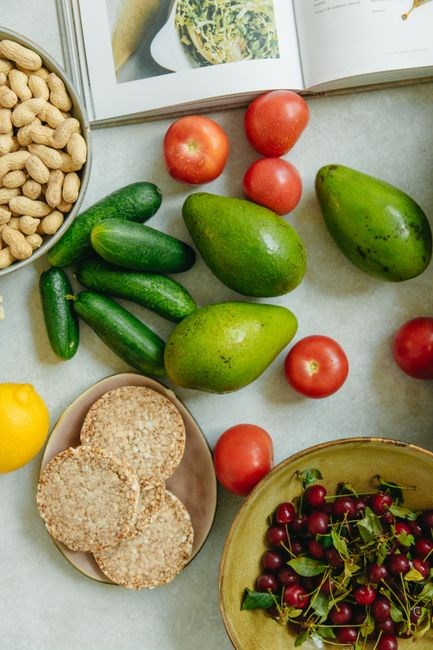
- Fruits: apples‚ pears‚ cherries‚ mangoes These contain fructose‚ Sorbitol‚ which are poorly absorbed.
- Vegetables: onions‚ garlic‚ broccoli‚ asparagus‚ mushrooms They are rich in fructans galacto‑oligosaccharides.
- Legumes: beans‚ soy products These contain high levels of oligosaccharides that ferment quickly
- Dairy: milk Lactose is a disaccharide that many people cannot digest efficiently.
- Grains: wheat‚ rye They contain fructans and other fermentable fibers.
- Sugar Alcohols: sorbitol‚ mannitol found in sugar‑free gums‚ candies.
- Condiments and Sauces: ketchup‚ soy sauce‚ salad dressings that may contain high‑FODMAP additives.
- Processed Foods: ready‑to‑eat meals‚ instant soups‚ and packaged snacks that may contain hidden high‑FODMAP ingredients.
When planning meals‚ read labels carefully‚ and consider using a FODMAP‑friendly substitution chart. Gradual reintroduction can help determine tolerance levels and prevent unnecessary dietary restrictions.!!
Safe Low‑FODMAP Foods to Include
Below is a curated selection of foods that are generally well tolerated by individuals with SIBO. These items are low in fermentable oligosaccharides‚ disaccharides‚ monosaccharides‚ and polyols (FODMAPs)‚ making them suitable for a restrictive diet. When incorporating them‚ consider portion size and individual tolerance‚ and pair with a balanced protein or fat to enhance satiety. These adjustments fit personal tolerance and can be modified based on symptom response and nutritional goals and gut health daily each.
- Proteins: eggs‚ lean poultry (chicken‚ turkey)‚ fish‚ shellfish‚ and well‑cooked meats. Avoid processed meats that contain high‑FODMAP additives.
- Grains: rice‚ oats‚ quinoa‚ corn‚ and gluten‑free breads. Use only the recommended portion size to stay within low‑FODMAP limits.
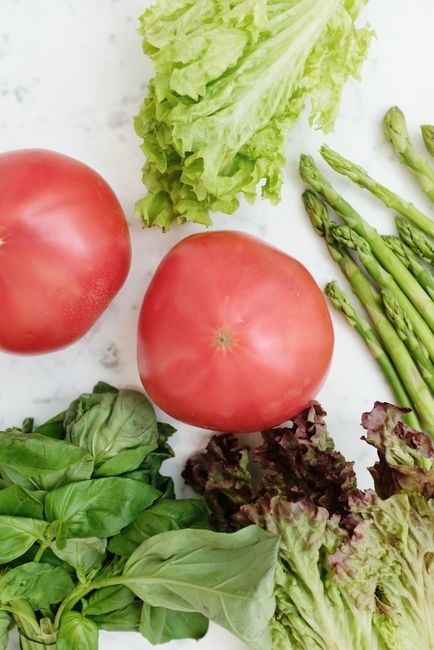
- Vegetables: carrots‚ zucchini‚ spinach‚ lettuce‚ cucumbers‚ bell peppers‚ and eggplant. These are low in fermentable fibers.
- Fruits: bananas (unripe)‚ blueberries‚ strawberries‚ oranges‚ and pineapple. Consume in moderation to stay below threshold.
- Fats & oils: olive oil‚ coconut oil‚ butter‚ and ghee. These provide essential fatty acids without FODMAP content.
- Herbs & spices: basil‚ oregano‚ thyme‚ rosemary‚ and pepper. Use fresh or dried forms that are low in FODMAPs.
Incorporating these foods into daily meals can help maintain nutritional adequacy while minimizing bacterial overgrowth triggers. Always monitor symptoms and adjust portions as needed.

Sample Meal Plans and PDF Resources
Explore downloadable PDFs featuring 7‑day SIBO meal plans‚ tailored to low‑FODMAP guidelines. Each plan lists breakfast‚ lunch‚ dinner‚ and snacks with portion sizes‚ ingredient swaps‚ and cooking tips. Access the PDF for quick reference and meal prep guidance. Download now for easy meal planning. Enjoy! Today.?
7-Day Sample Meal Plan

Below is a concise 7‑day plan tailored to low‑FODMAP guidelines.
Day 1: Breakfast – eggs with spinach and gluten‑free toast; Lunch – chicken salad with greens‚ cucumber‚ olive oil; Dinner – baked salmon with zucchini and quinoa; Snacks – low‑FODMAP fruit and almonds.
Day 2: Breakfast – oatmeal with lactose‑free milk‚ blueberries; Lunch – turkey lettuce wraps‚ carrot sticks; Dinner – shrimp stir‑fry with bok choy‚ carrots‚ ginger‑soy glaze; Snacks – rice cakes‚ peanut butter‚ kiwi.
Day 3: Breakfast – chia pudding with coconut milk‚ raspberries; Lunch – grilled salmon‚ roasted carrots‚ spinach; Dinner – beef kebabs‚ polenta; Snacks – banana‚ walnuts.
Day 4: Breakfast – lactose‑free yogurt‚ strawberries‚ maple syrup; Lunch – quinoa bowl‚ sweet potato‚ pumpkin seeds‚ lemon‑herb dressing; Dinner – baked cod‚ asparagus‚ brown rice; Snacks – cucumber‚ tahini dip.
Day 5: Breakfast – protein shake‚ almond milk‚ banana; Lunch – grilled chicken‚ mixed‑green salad‚ vinaigrette; Dinner – pork tenderloin‚ sautéed zucchini‚ millet; Snacks – orange‚ pumpkin seeds.
Day 6: Breakfast – boiled eggs‚ sautéed kale; Lunch – shrimp‚ avocado salad‚ lime dressing; Dinner – turkey meatballs‚ tomato sauce‚ gluten‑free pasta; Snacks – strawberries‚ almonds.
Day 7: Breakfast – gluten‑free pancakes‚ maple syrup‚ blueberries; Lunch – grilled vegetable skewers‚ quinoa; Dinner – baked chicken thighs‚ Brussels sprouts‚ polenta; Snacks – peach‚ cashews.
Enjoy balanced meals and monitor symptom changes.
Adjust portions needed for comfort.